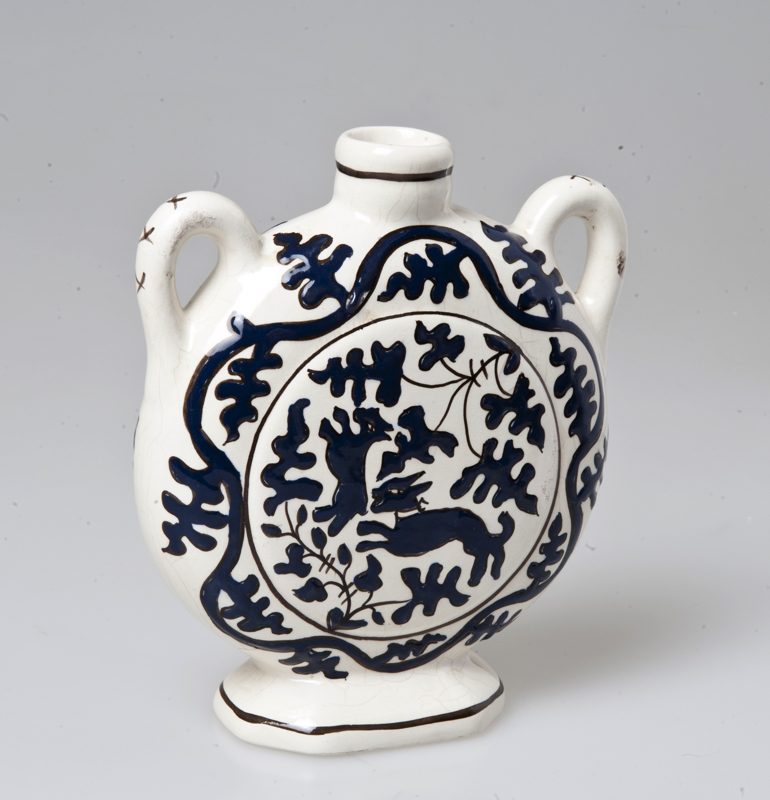
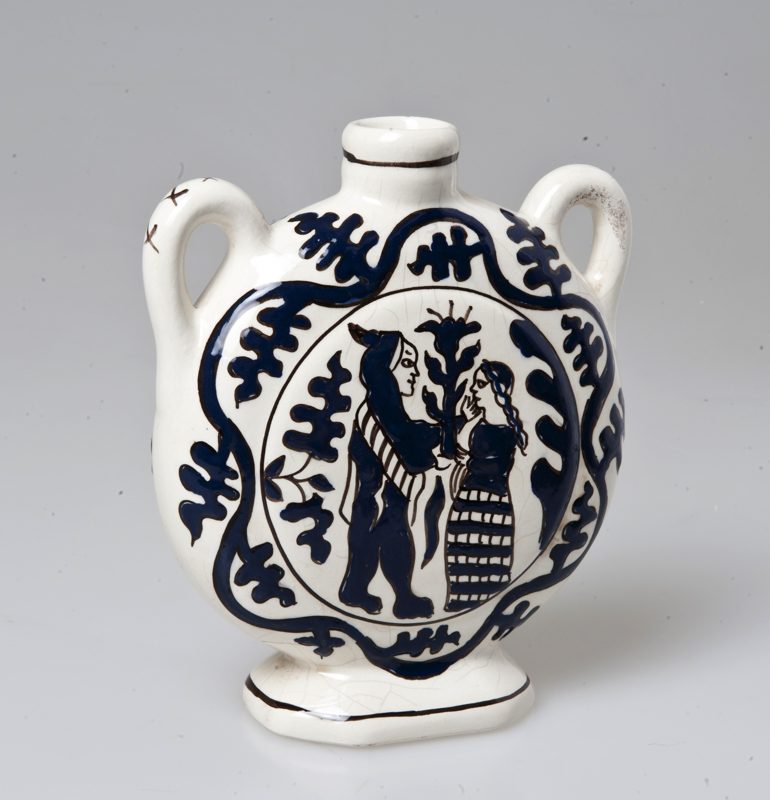
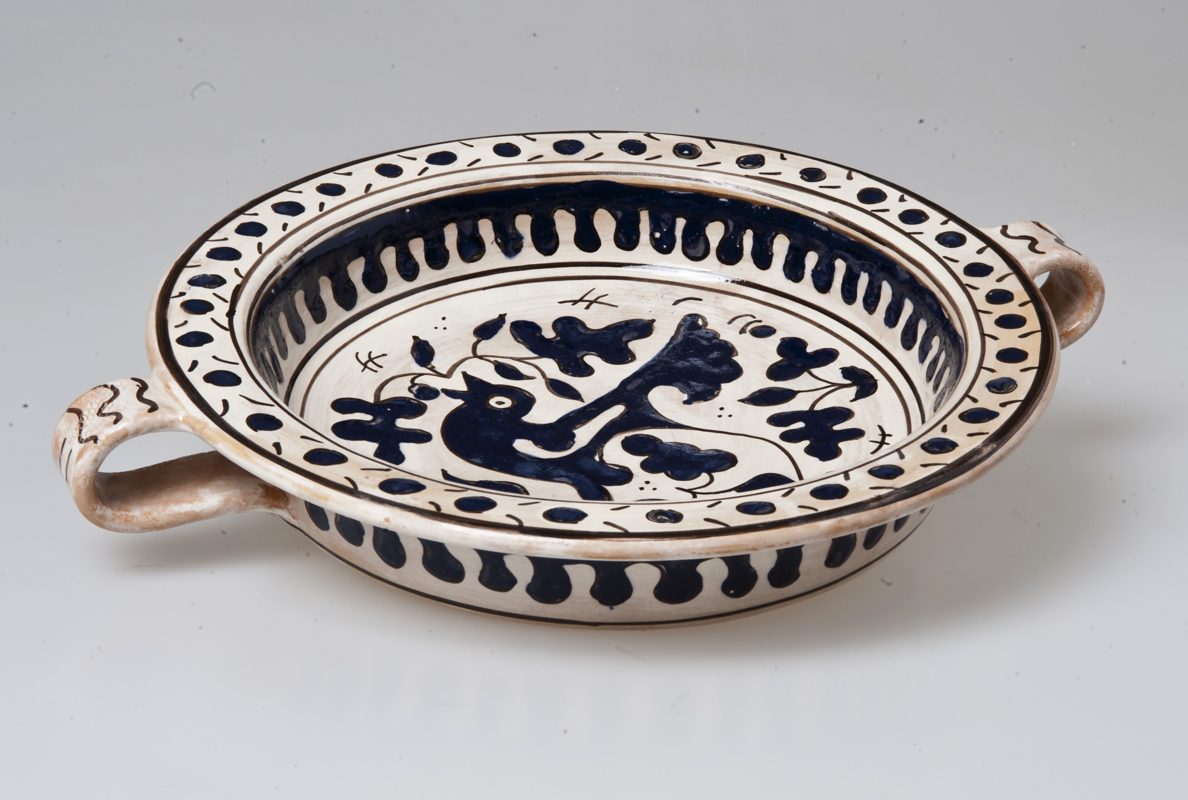
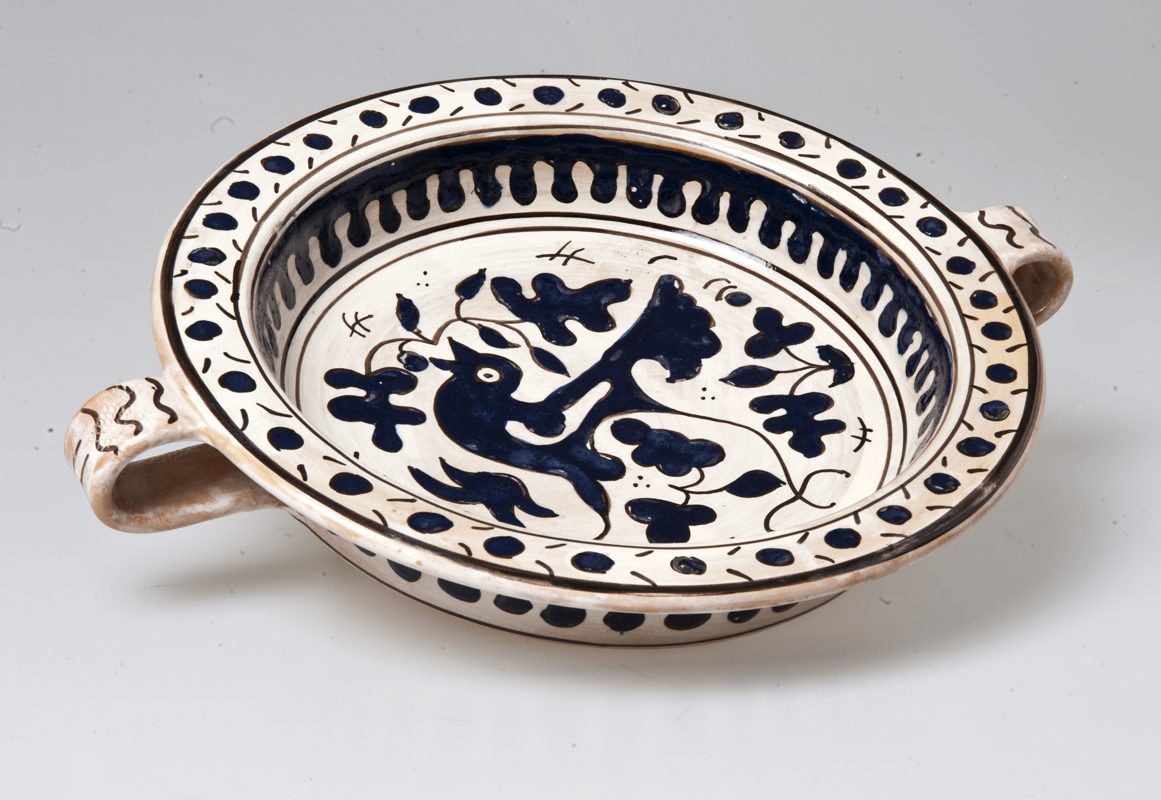
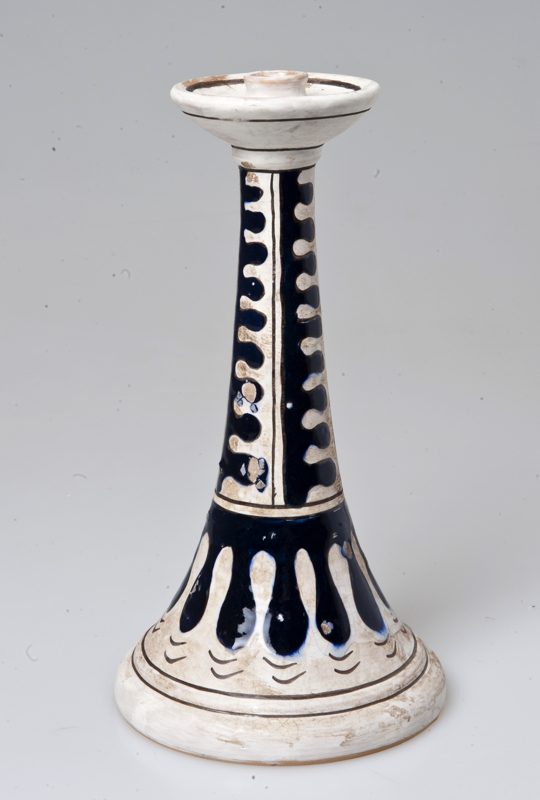
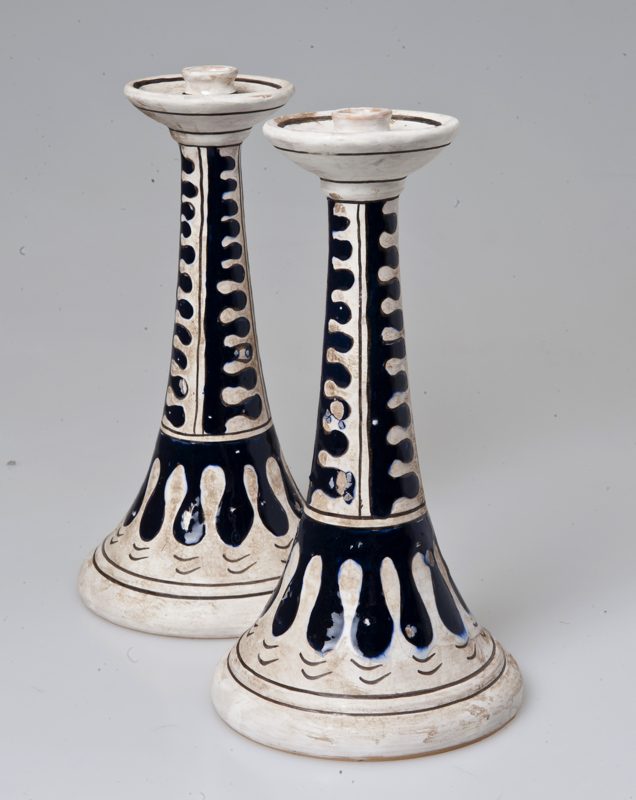
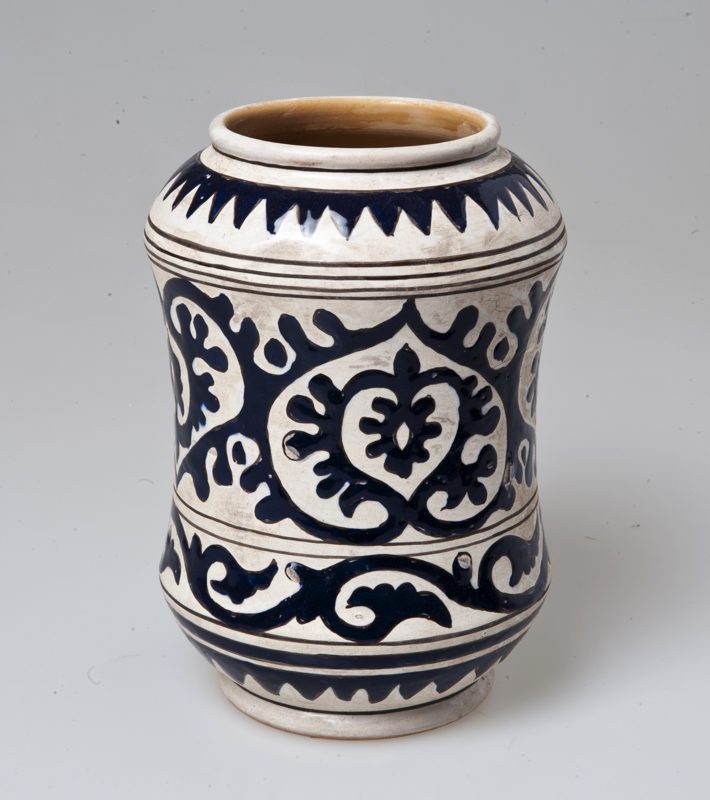
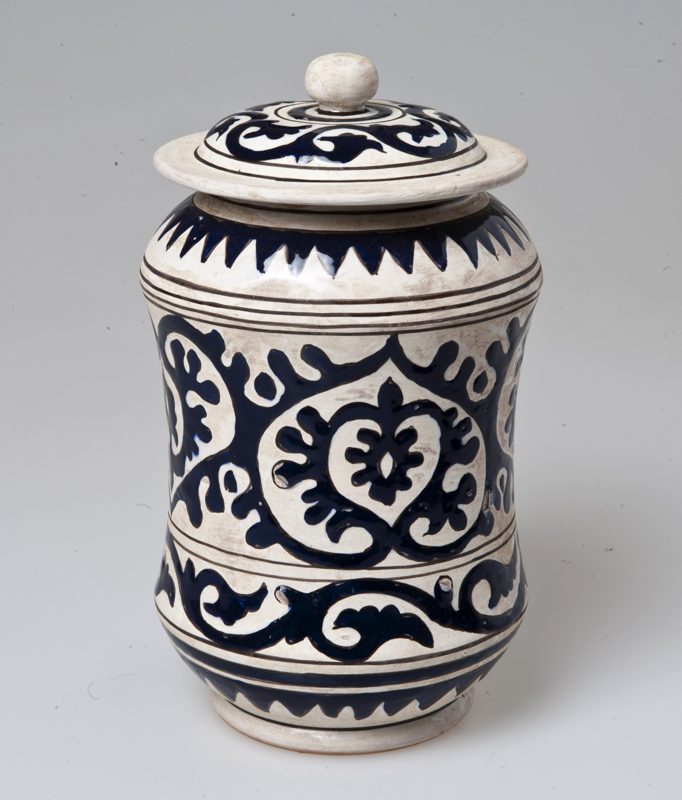
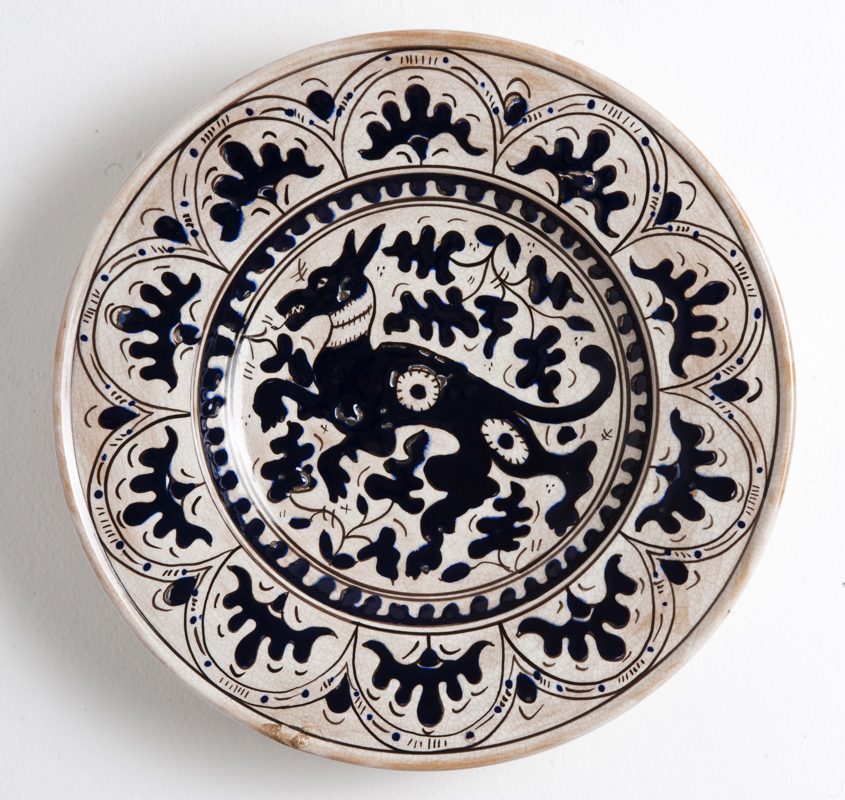
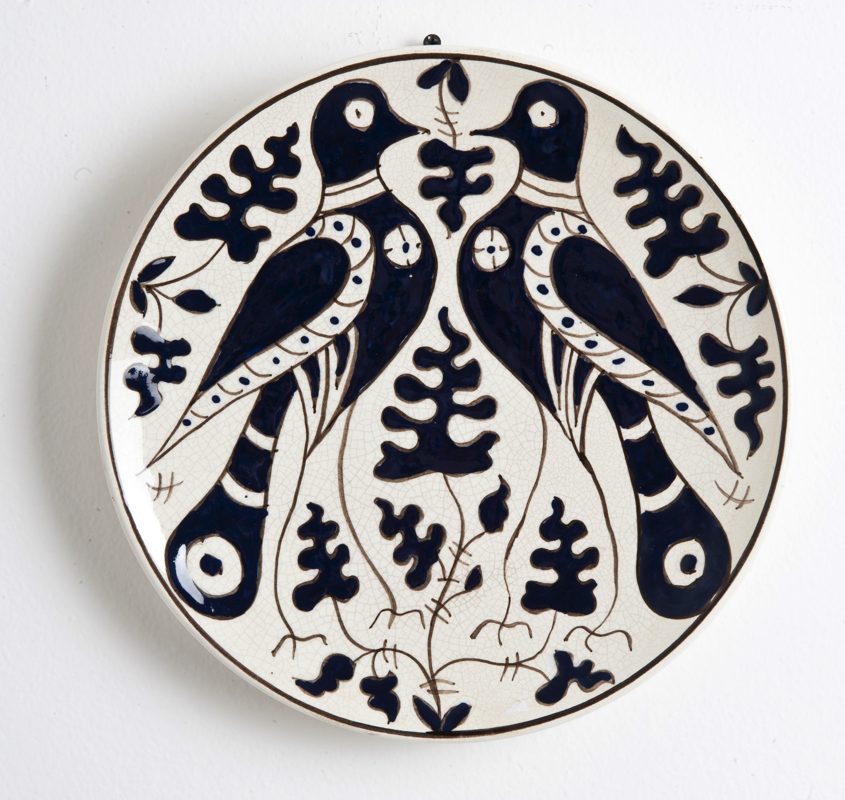
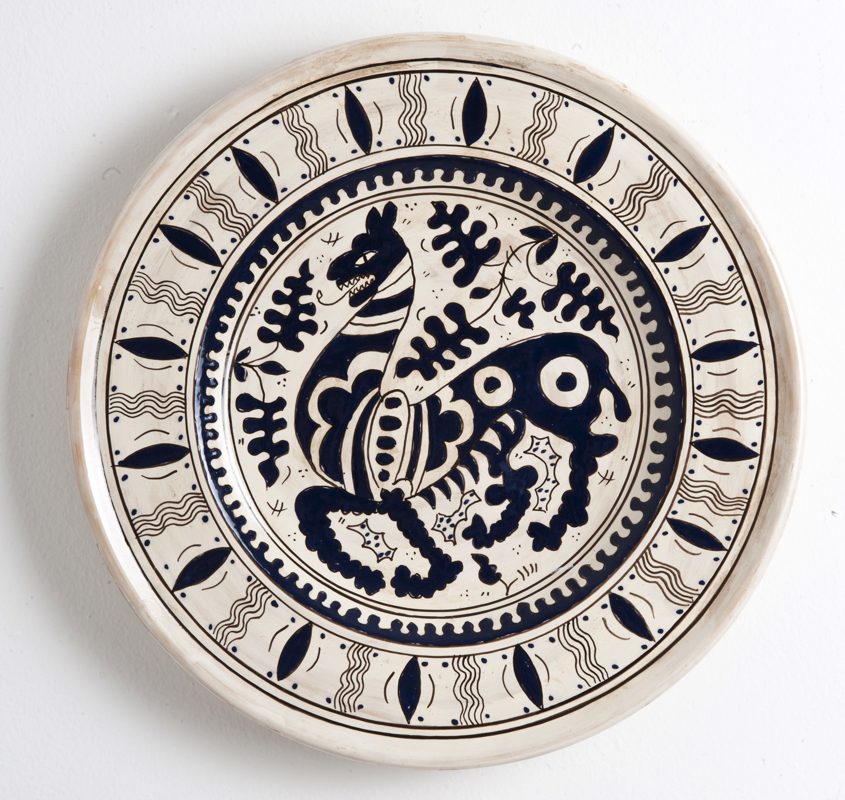
Zaffera is one of the most fascinating decorative techniques of fifteenth-century Italian ceramics.
Cinzia Chiulli reinterprets it by respecting historical materials, pigments, and methods, creating works with an intense blue, raised surfaces, and a vibrant sense of movement.
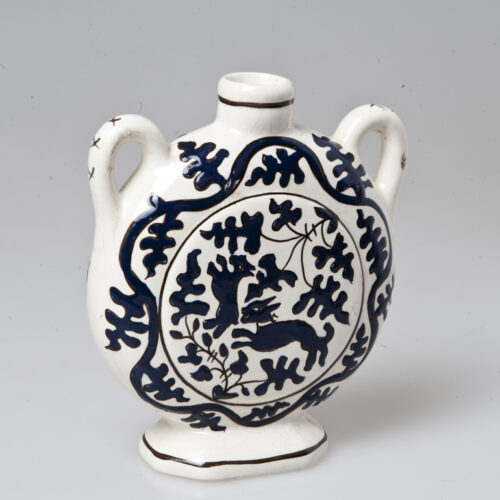
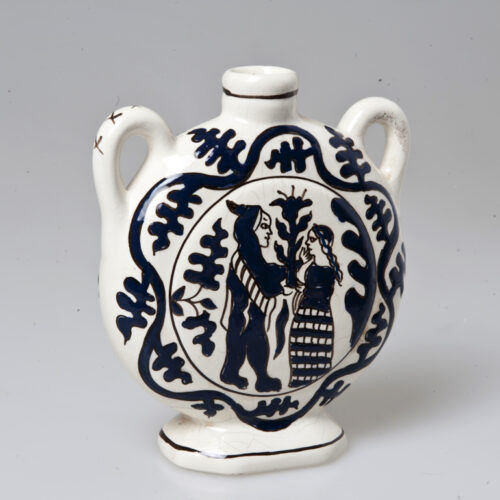
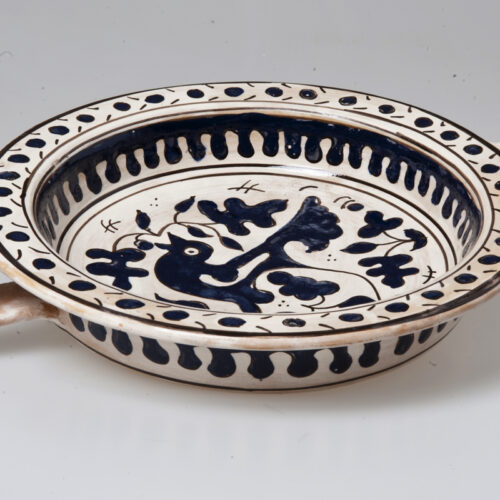
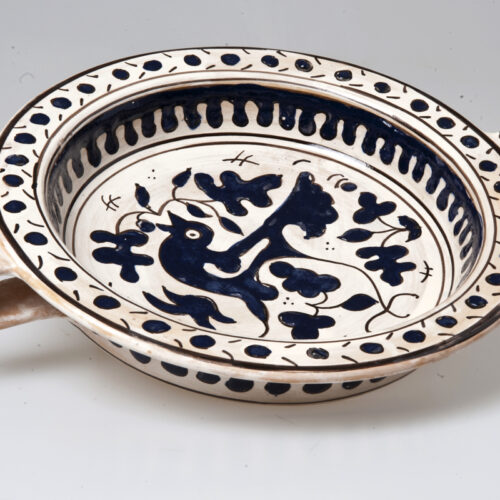
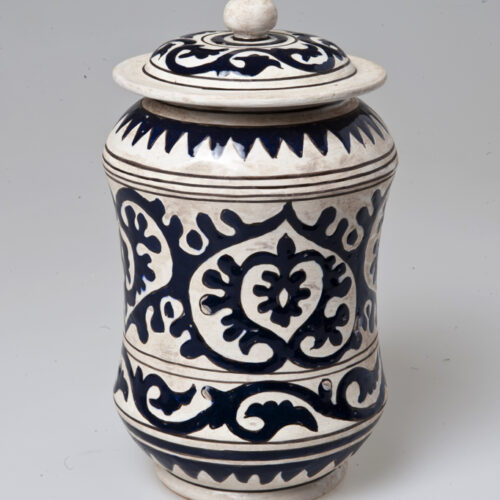
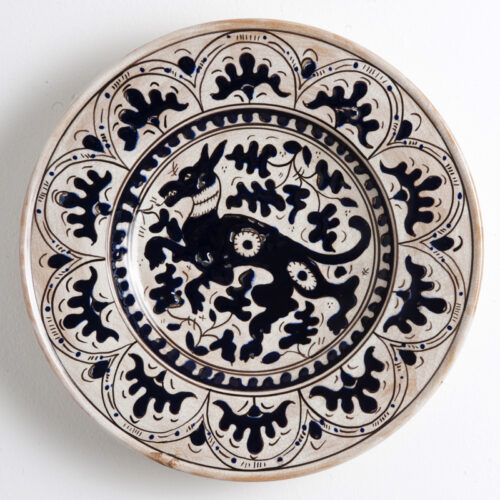
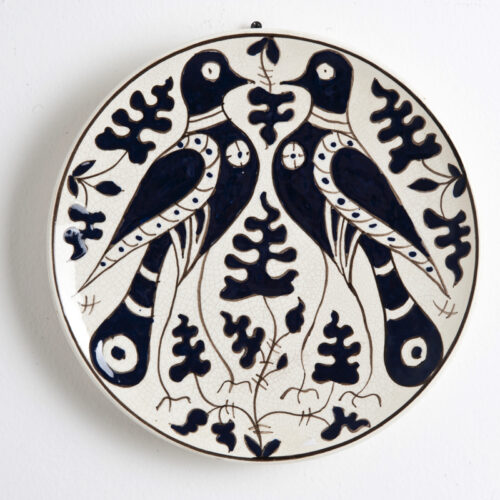
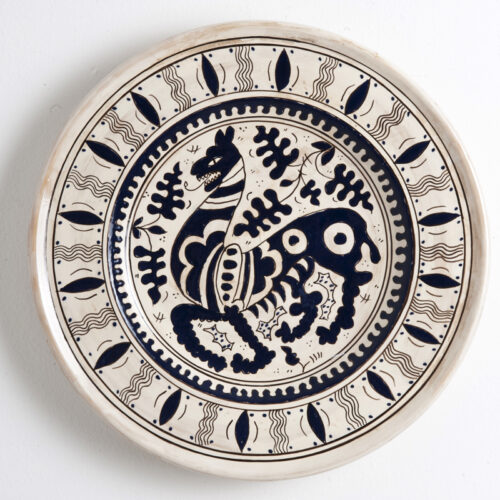
Zaffera: an art born in fifteenth-century Italy
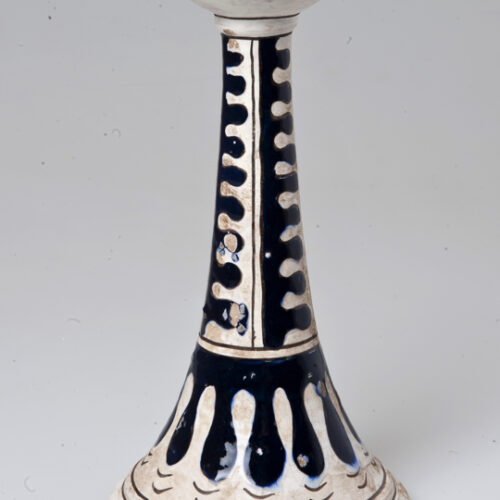
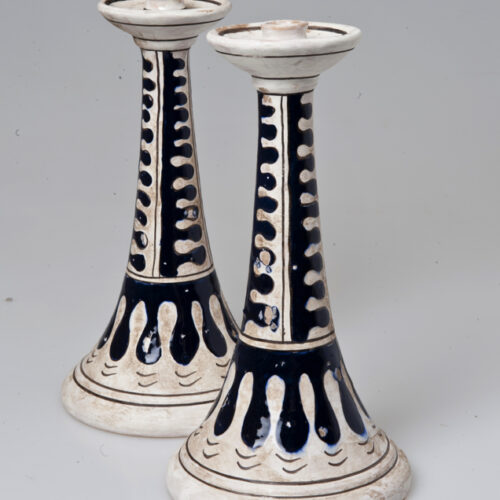
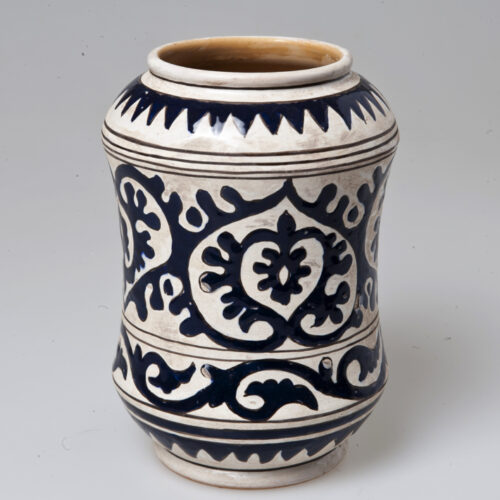
Zaffera is one of the most fascinating techniques of Italian Renaissance decorative ceramics. It emerged between the late fourteenth century and the early fifteenth century in the workshops of central Italy—Deruta, Orvieto, Gubbio, Siena—where master potters began experimenting with raised cobalt oxide to create lively, textured, and vibrant surfaces.
A blue that spans centuries
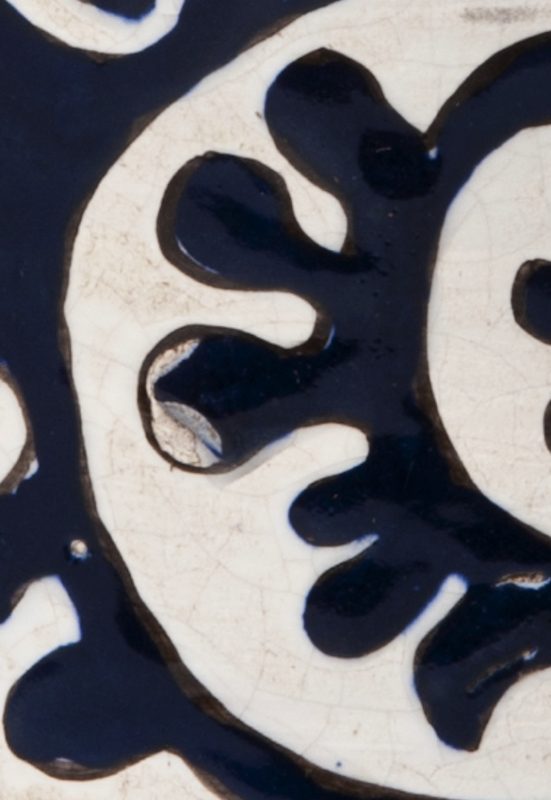
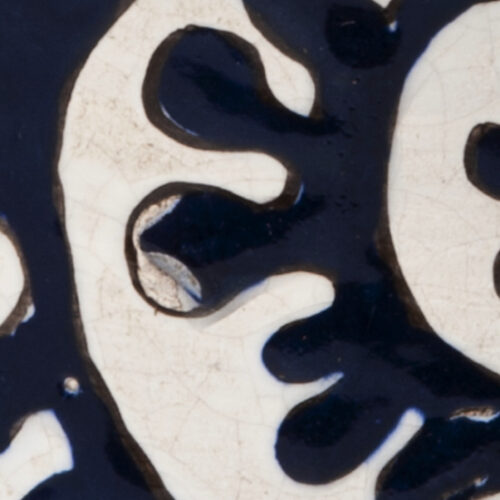
The defining feature of Zaffera is its three-dimensional quality: rather than being applied flat, as in traditional maiolica, the color is laid in relief, creating patterns that rise from the surface of the object.
During the Renaissance, this intense blue was associated with preciousness, the sacred, and royalty. Many Zaffera-decorated objects were intended for noble families, monasteries, or important ceremonies.
Cinzia Chiulli’s contemporary reinterpretation
Cinzia revisits this ancient tradition by using materials consistent with the original technique—clay bodies, natural oxides, and traditional glazes—and by restoring the spirit of fifteenth-century workshops: slowness, precision, and complete manual craftsmanship.
Each piece is made entirely by hand, without molds, and deliberately retains the irregularities that give life to the material.
The result is a dialogue between past and present: the technique remains historical, while the decorative language becomes personal, narrative, and unmistakably recognizable.