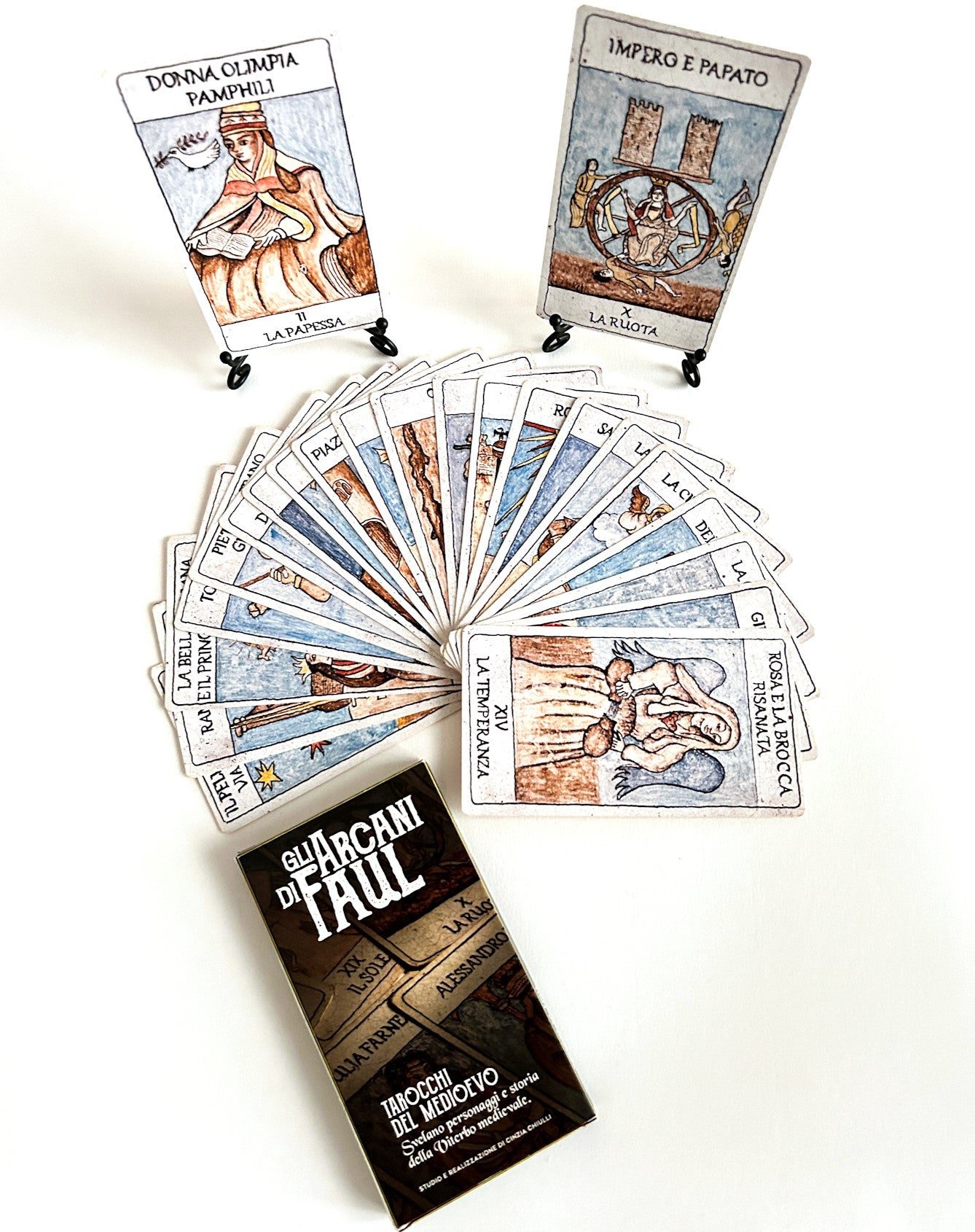
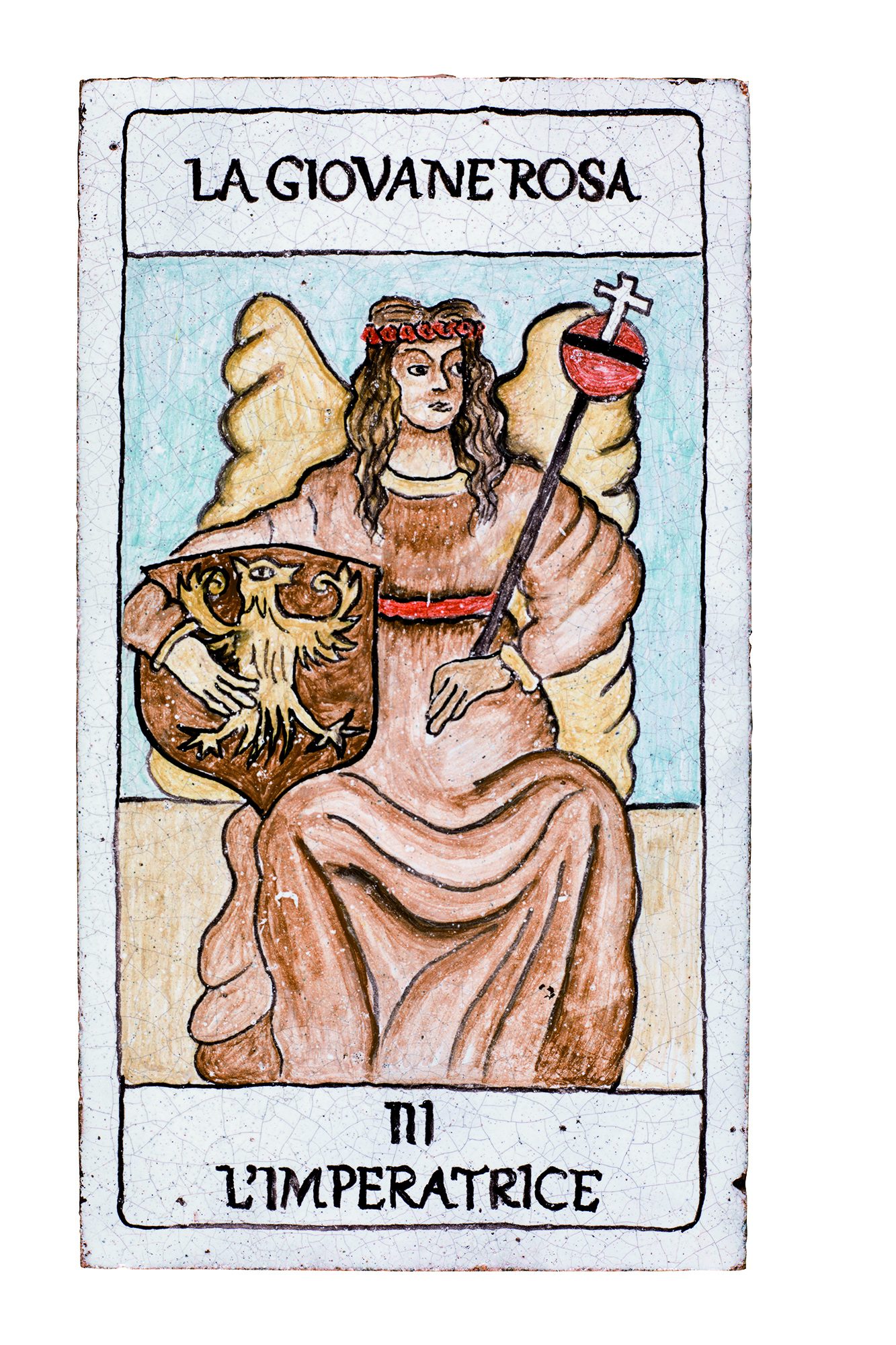
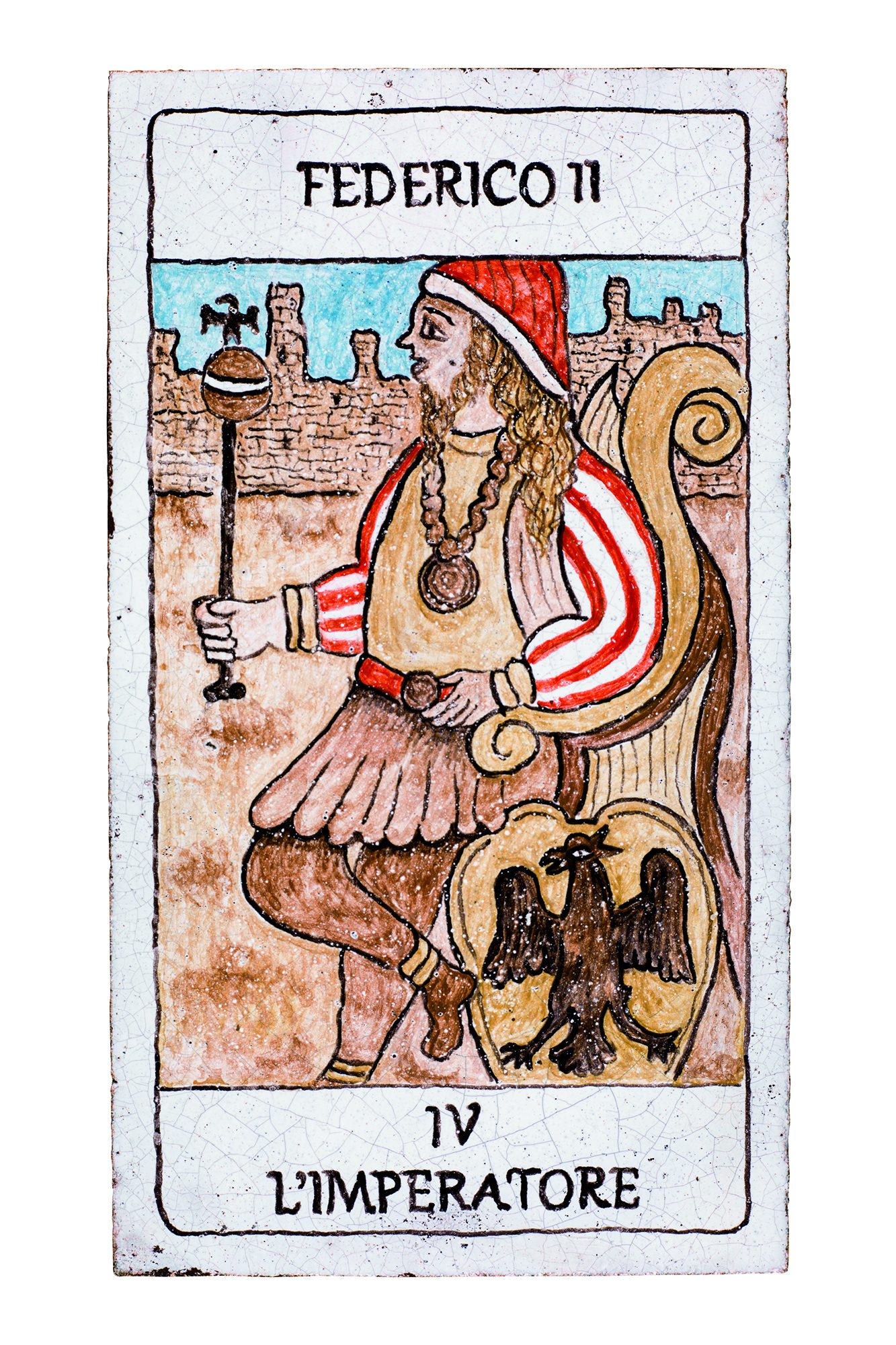
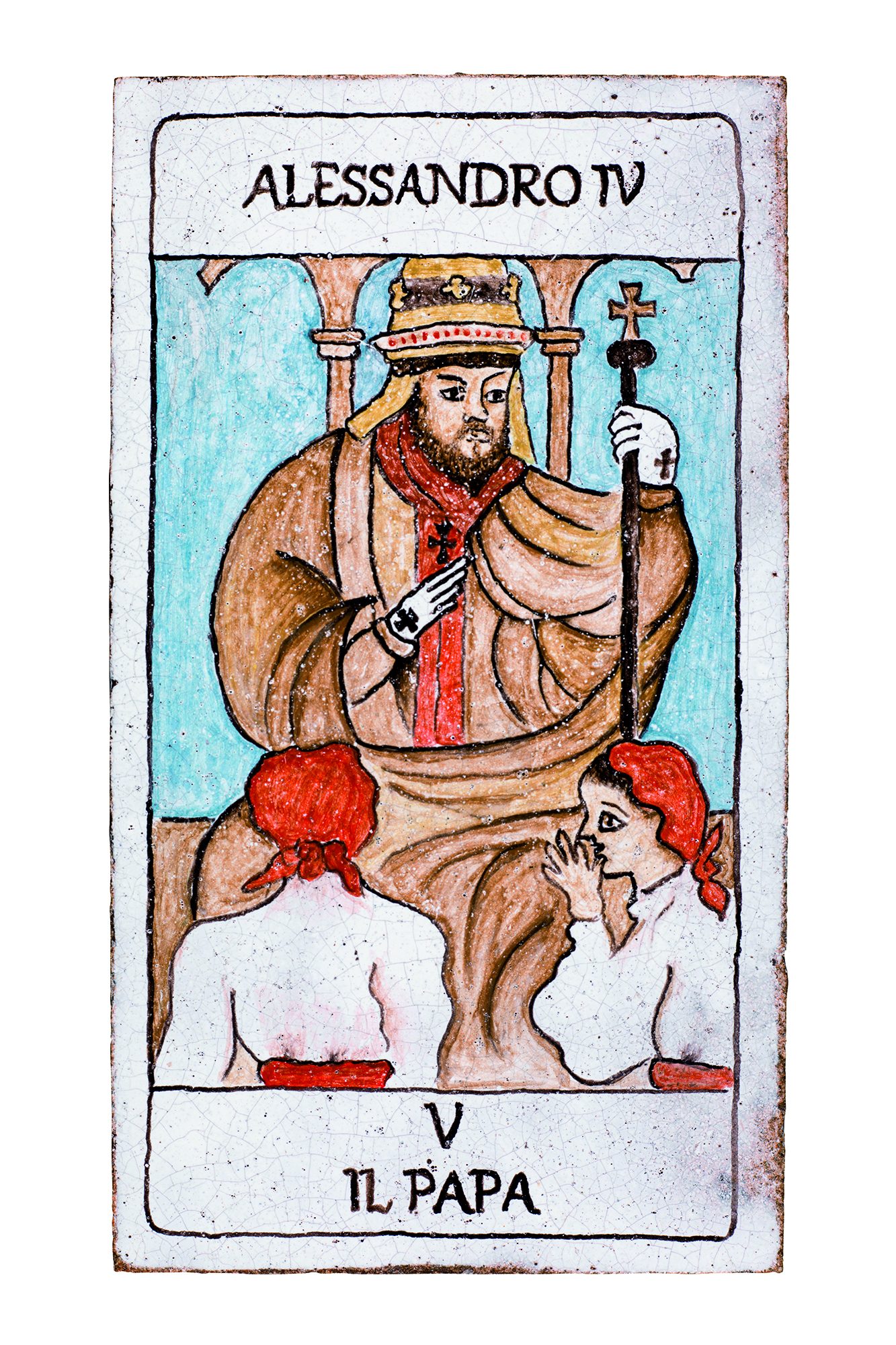
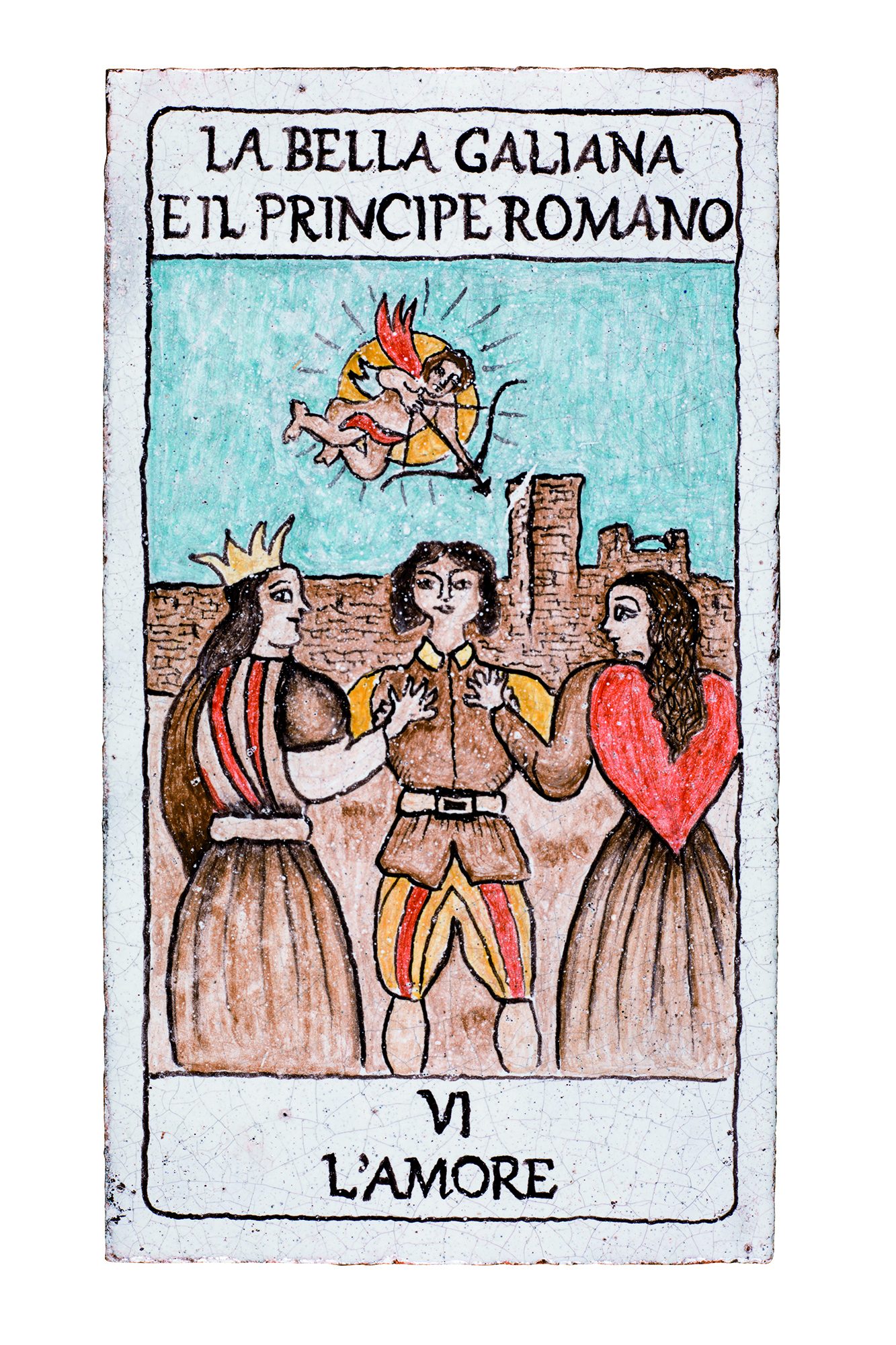
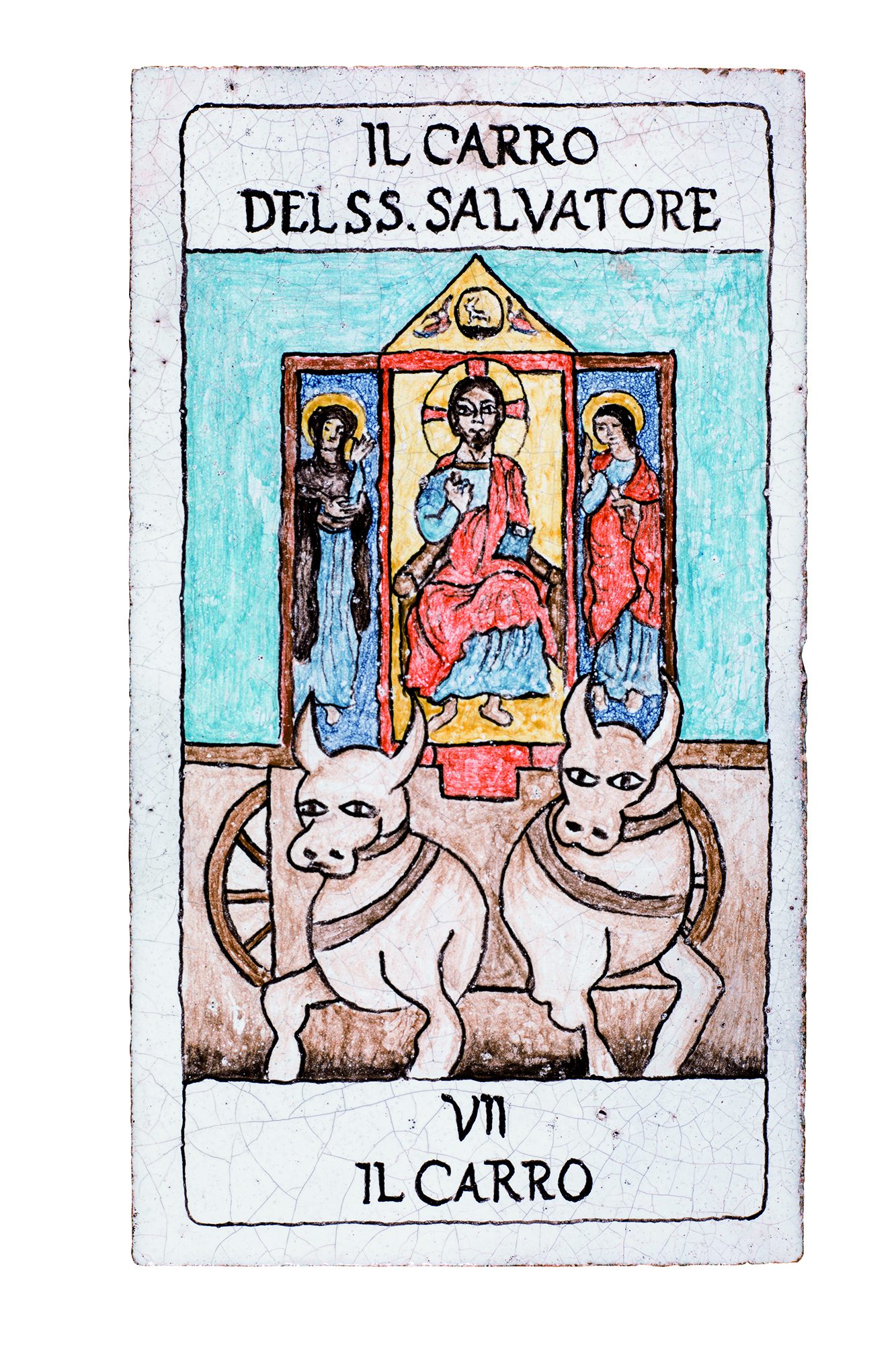
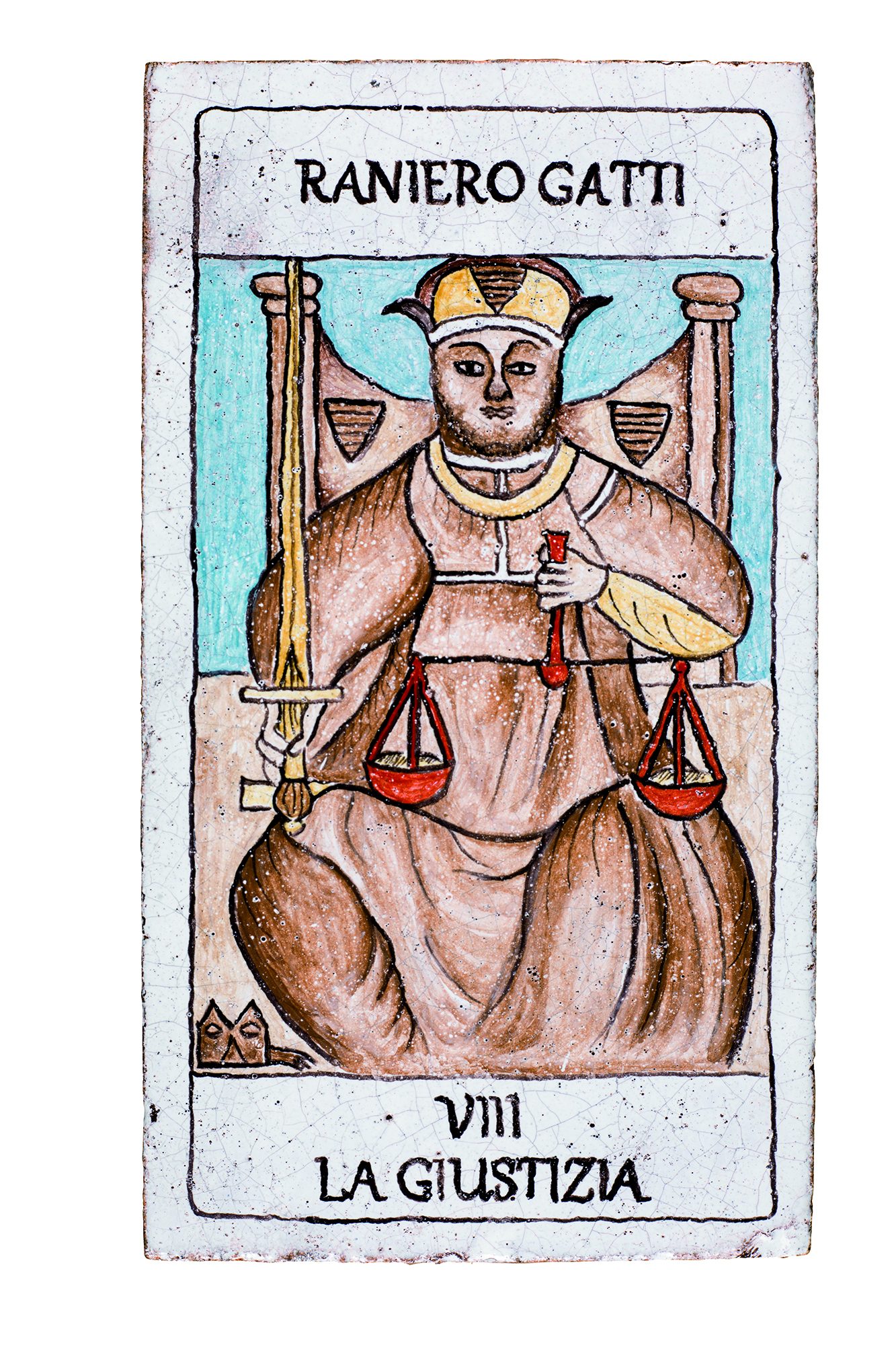
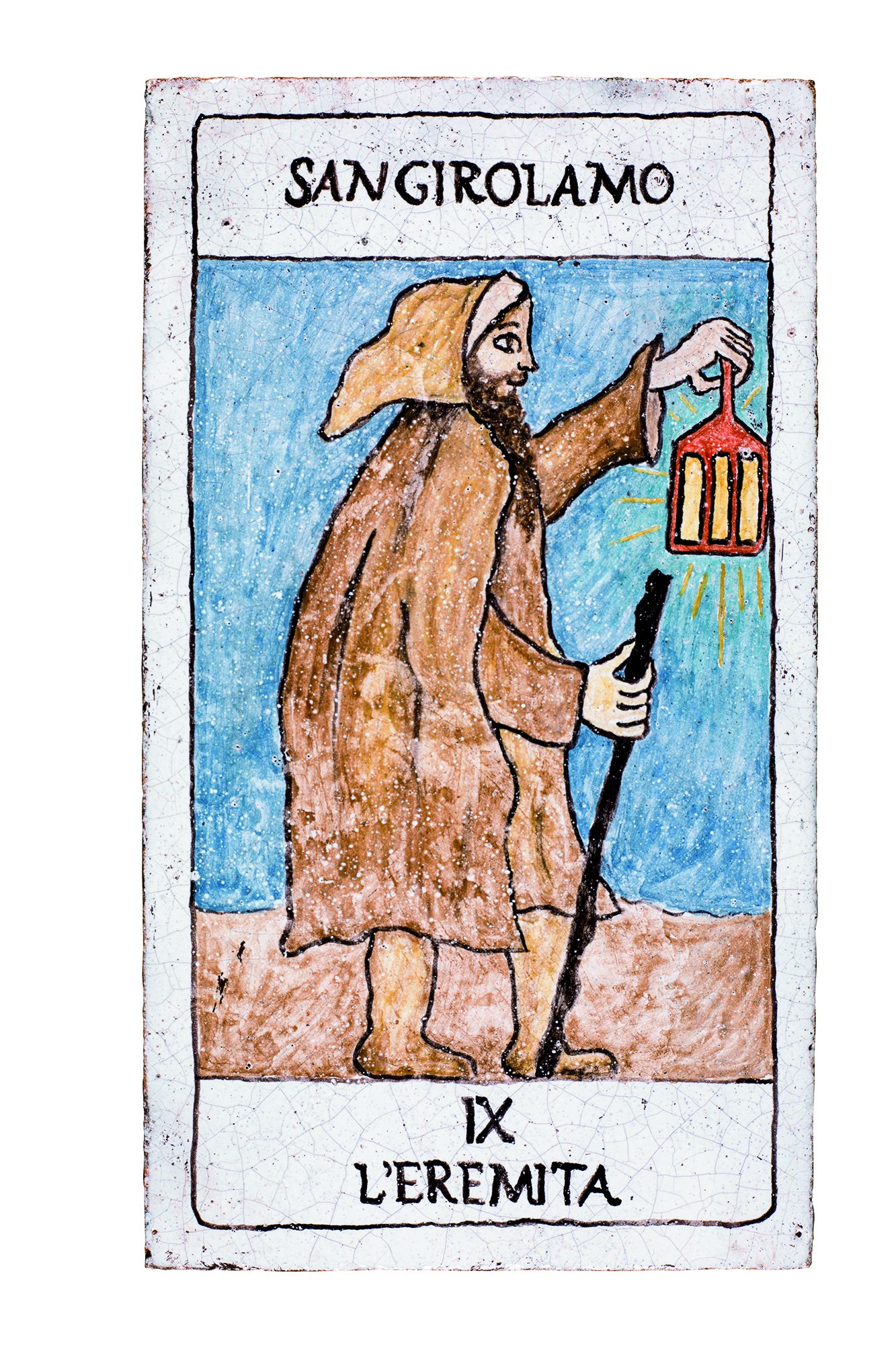
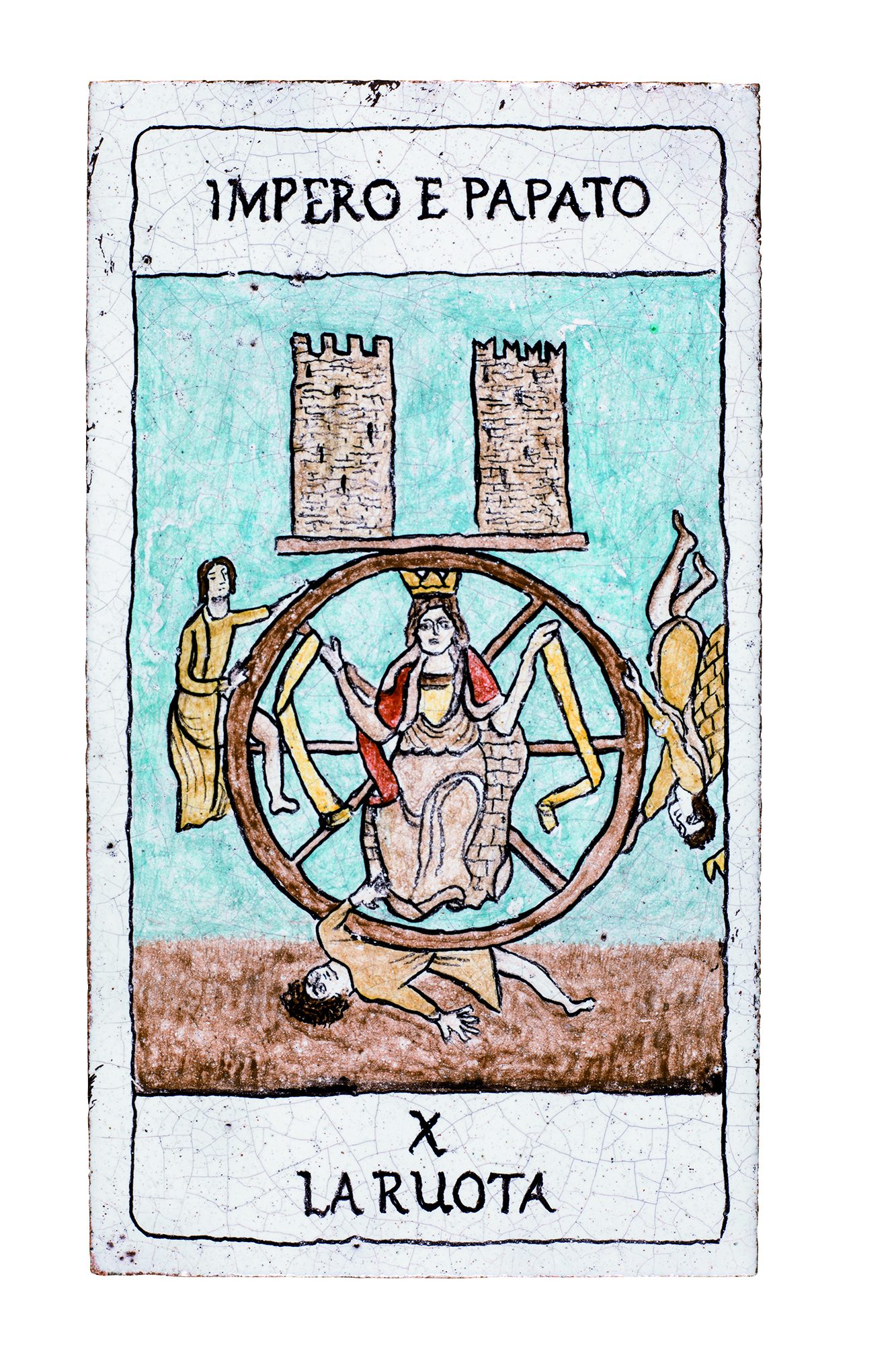
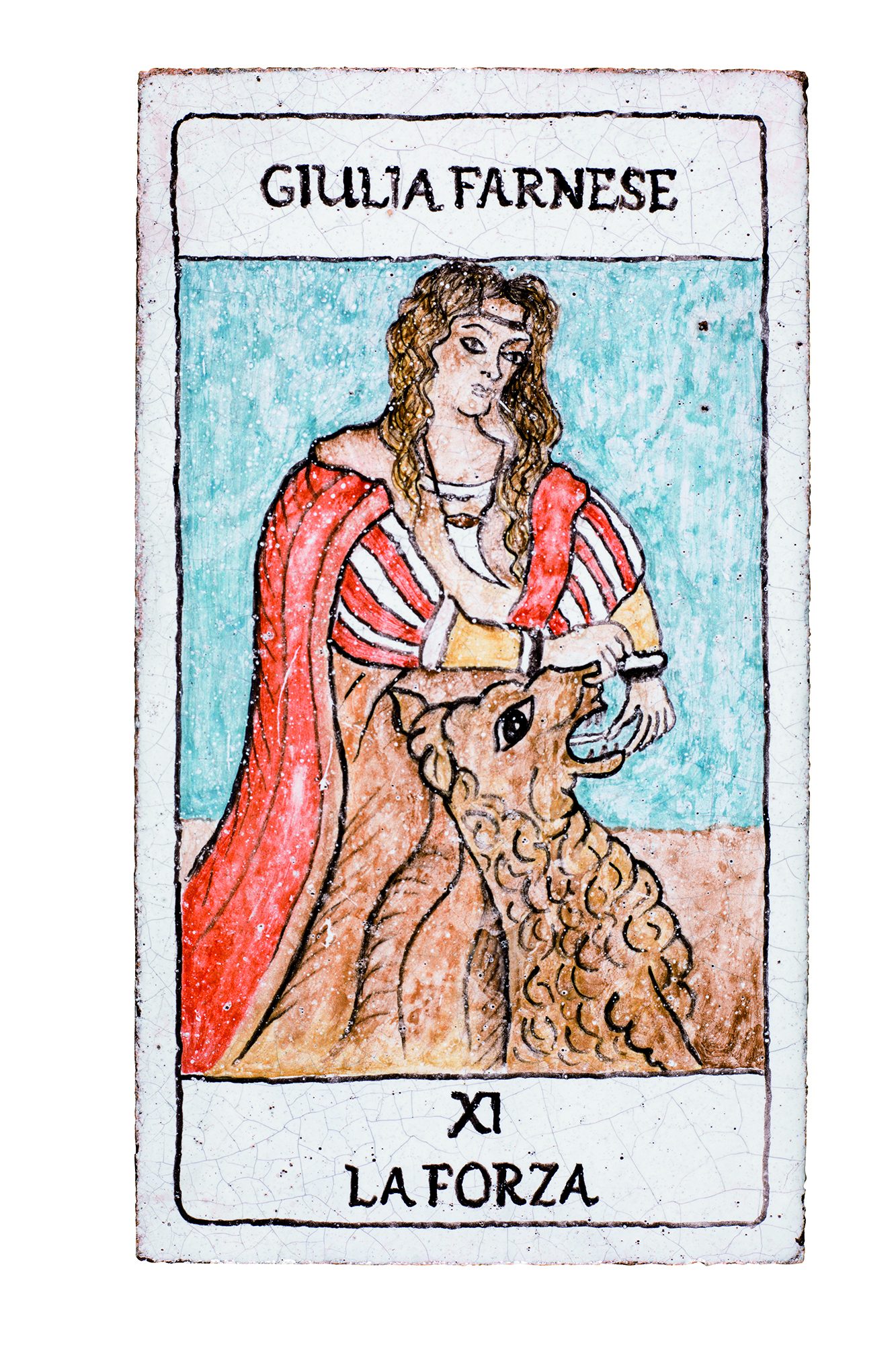
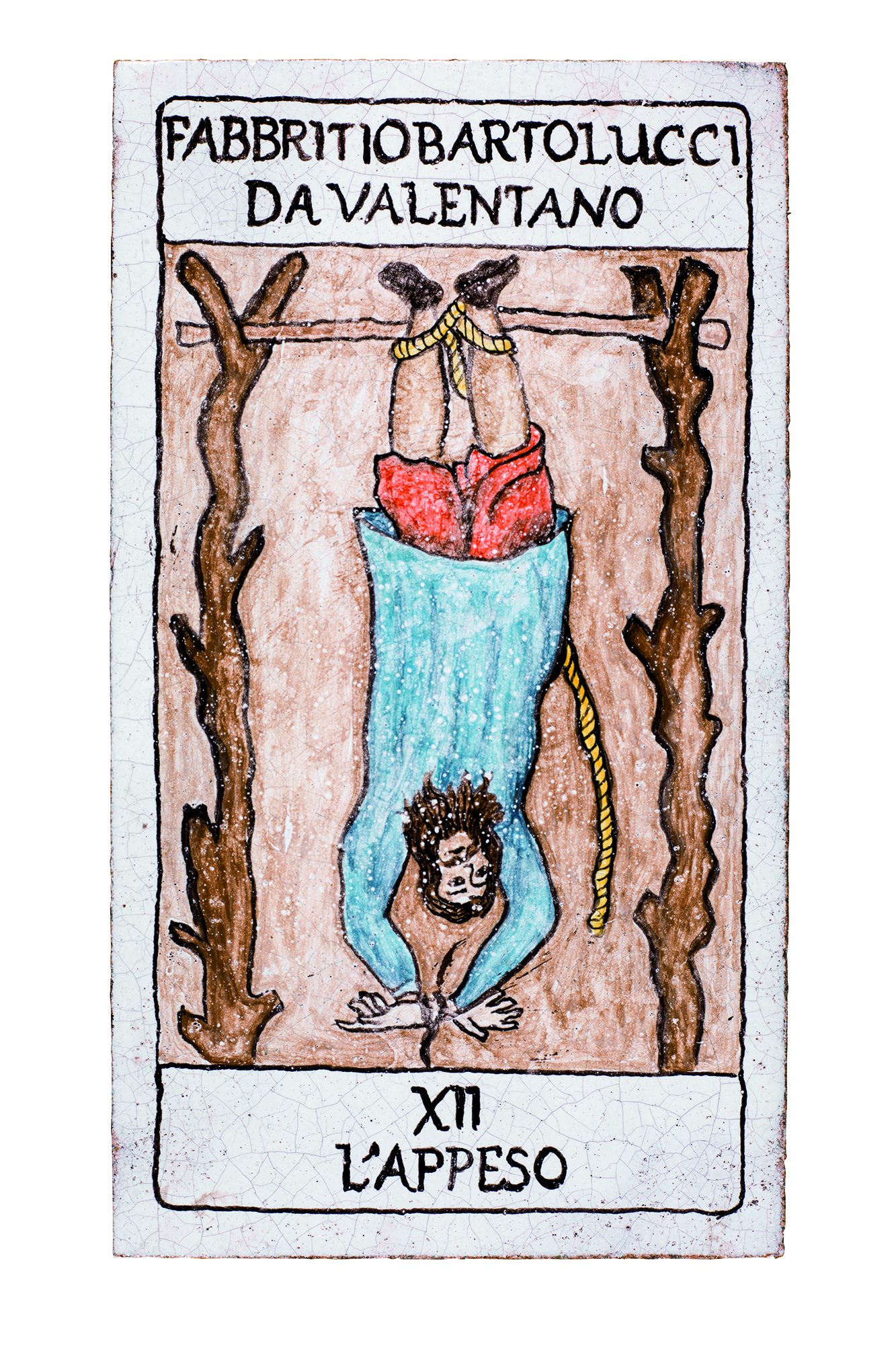
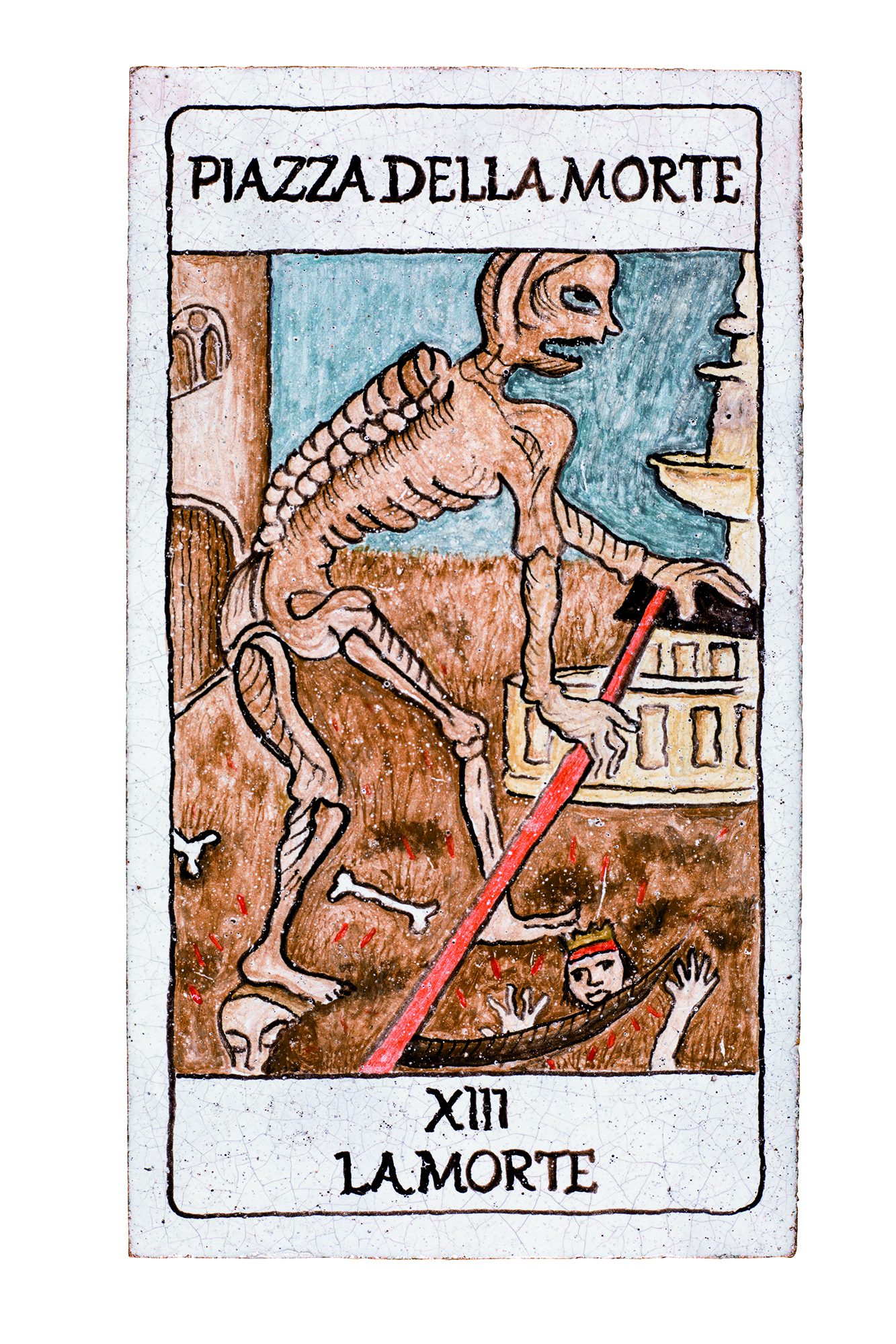
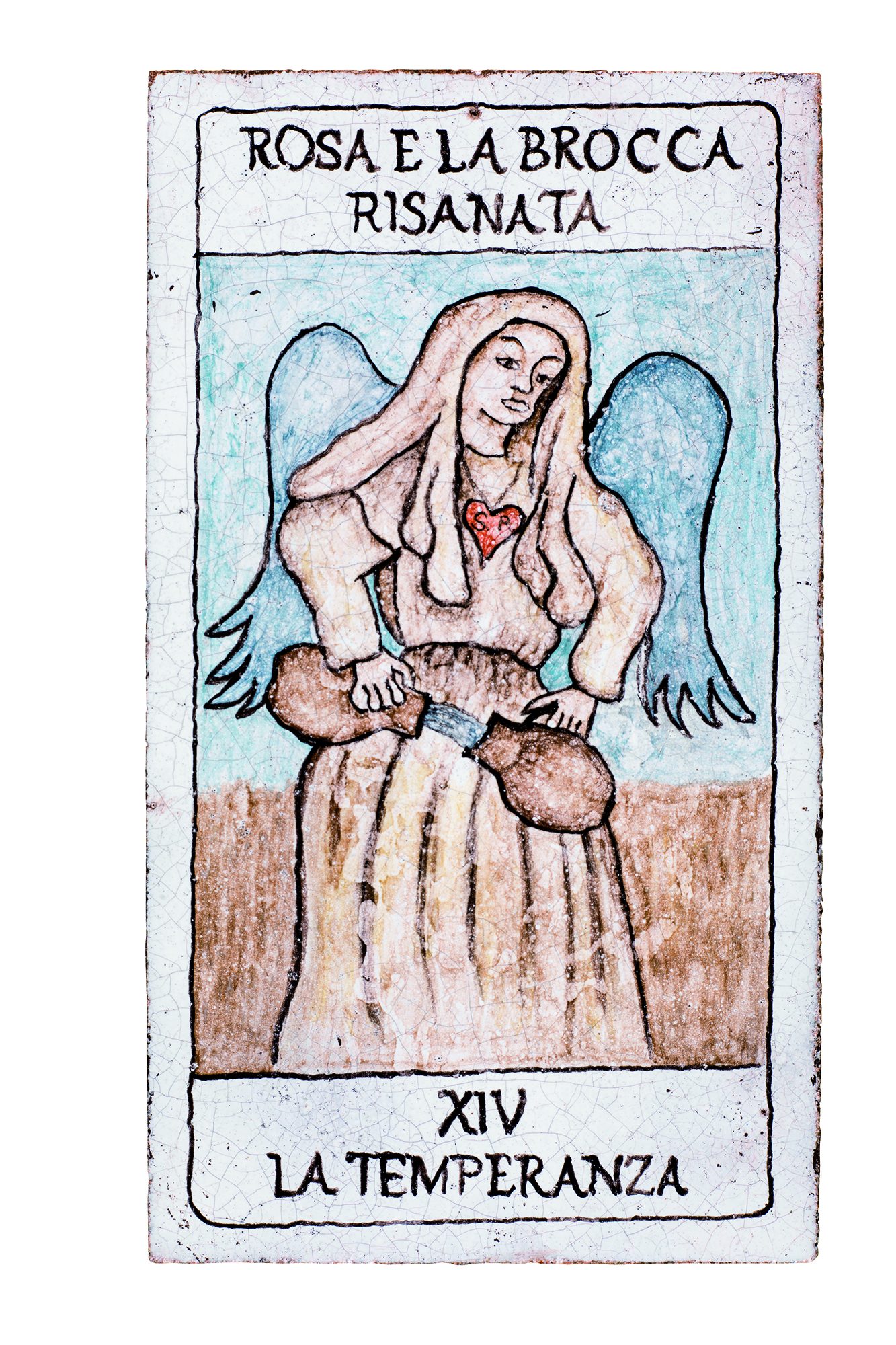
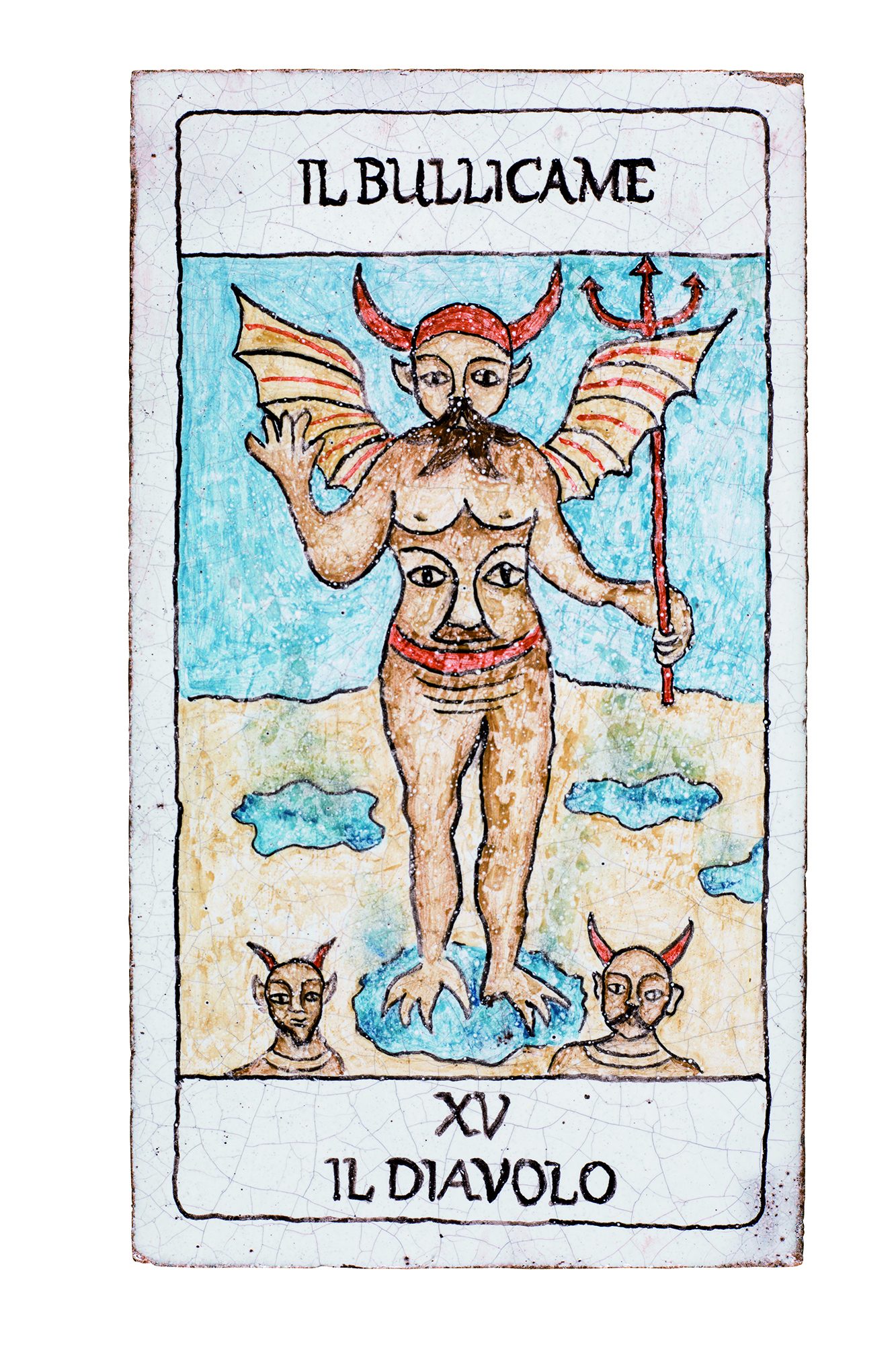
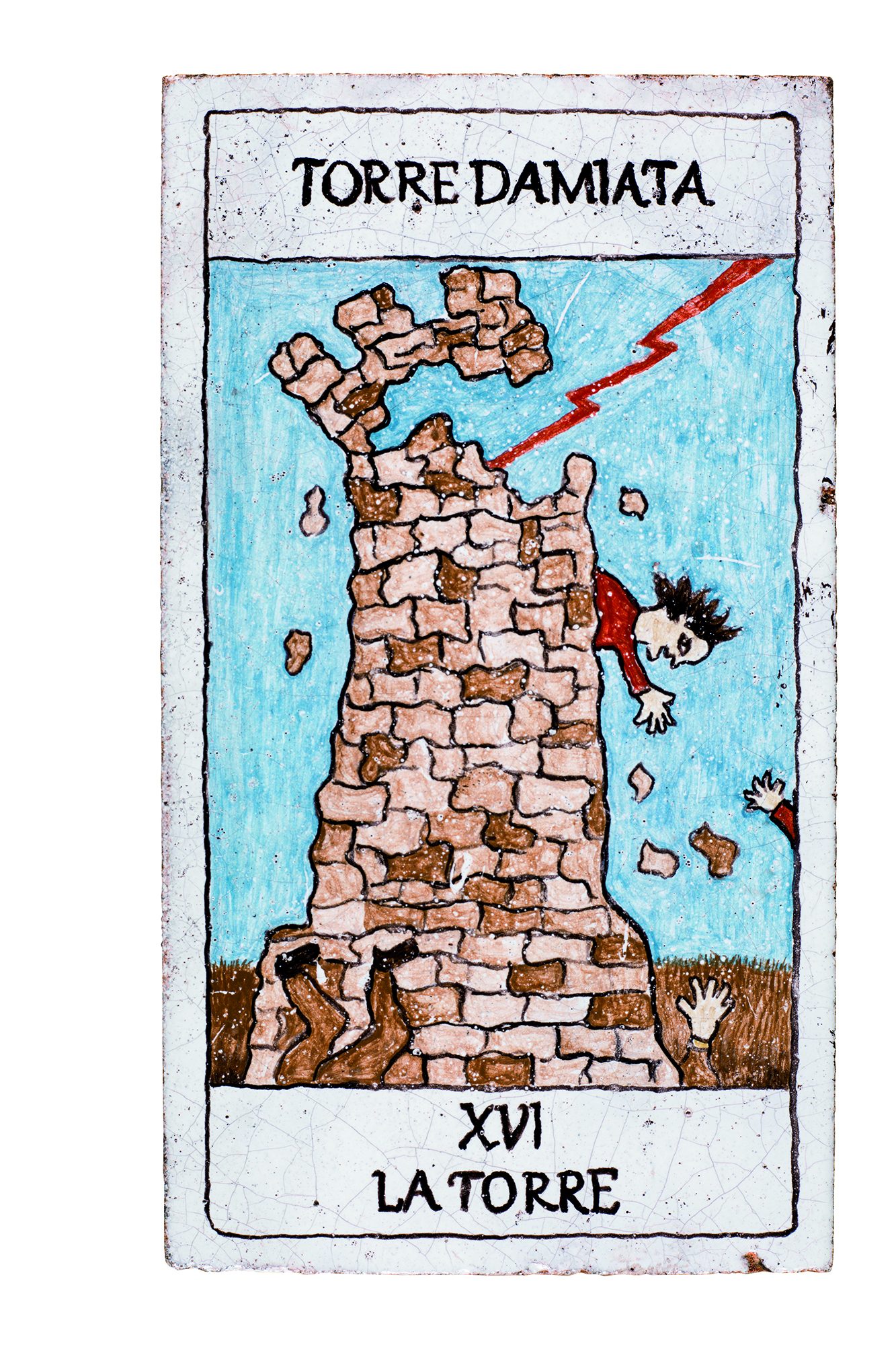
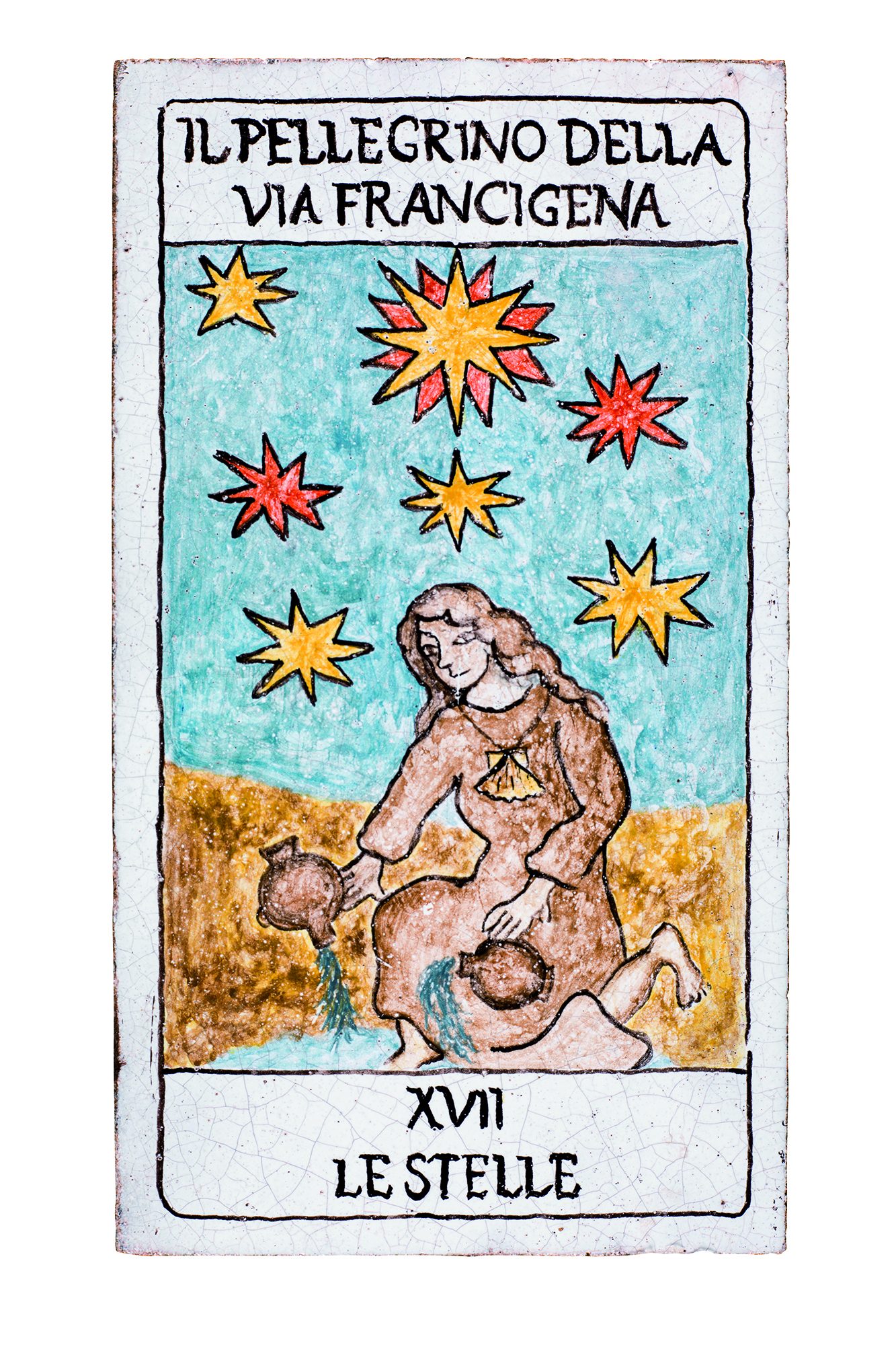
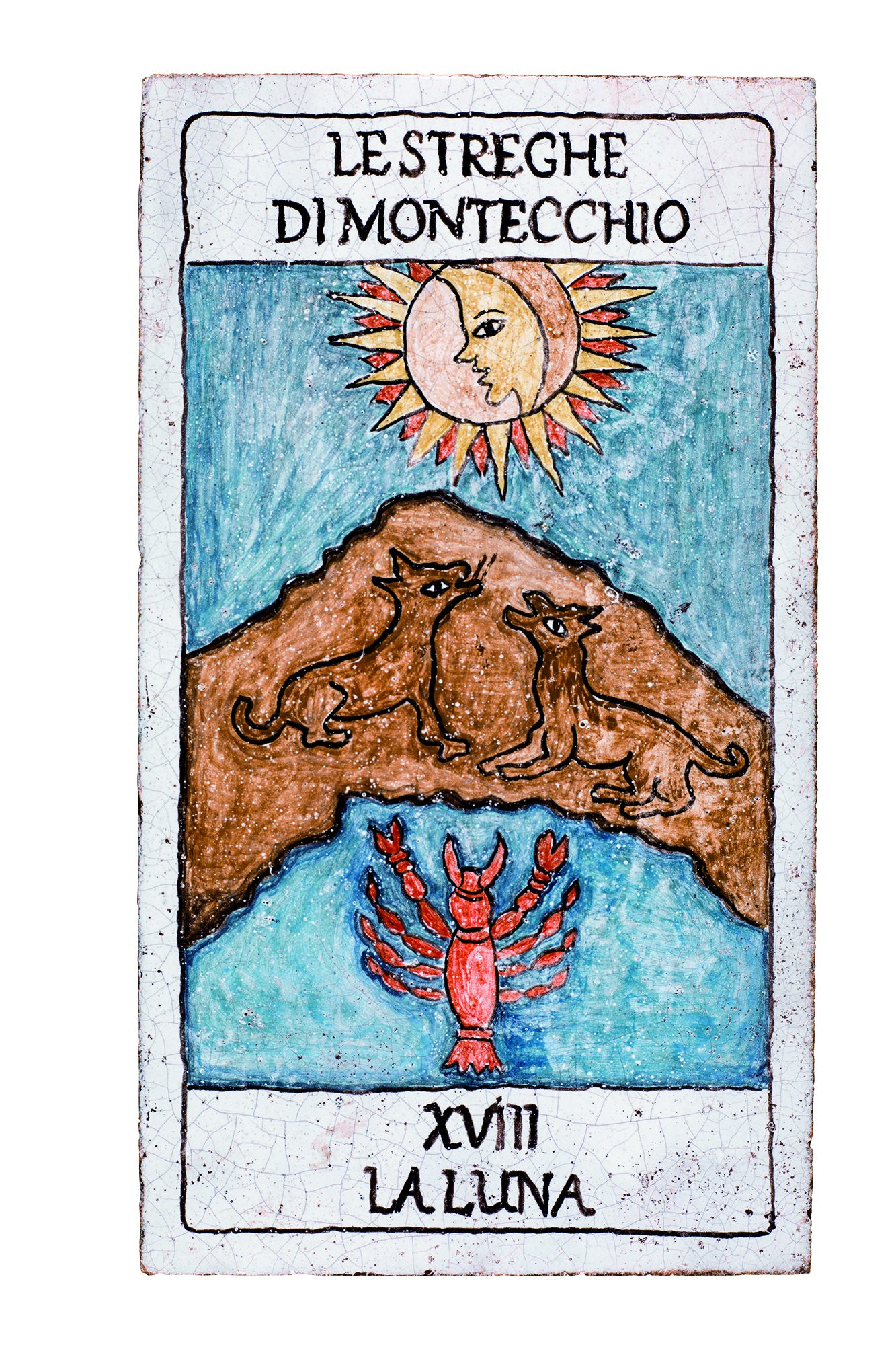
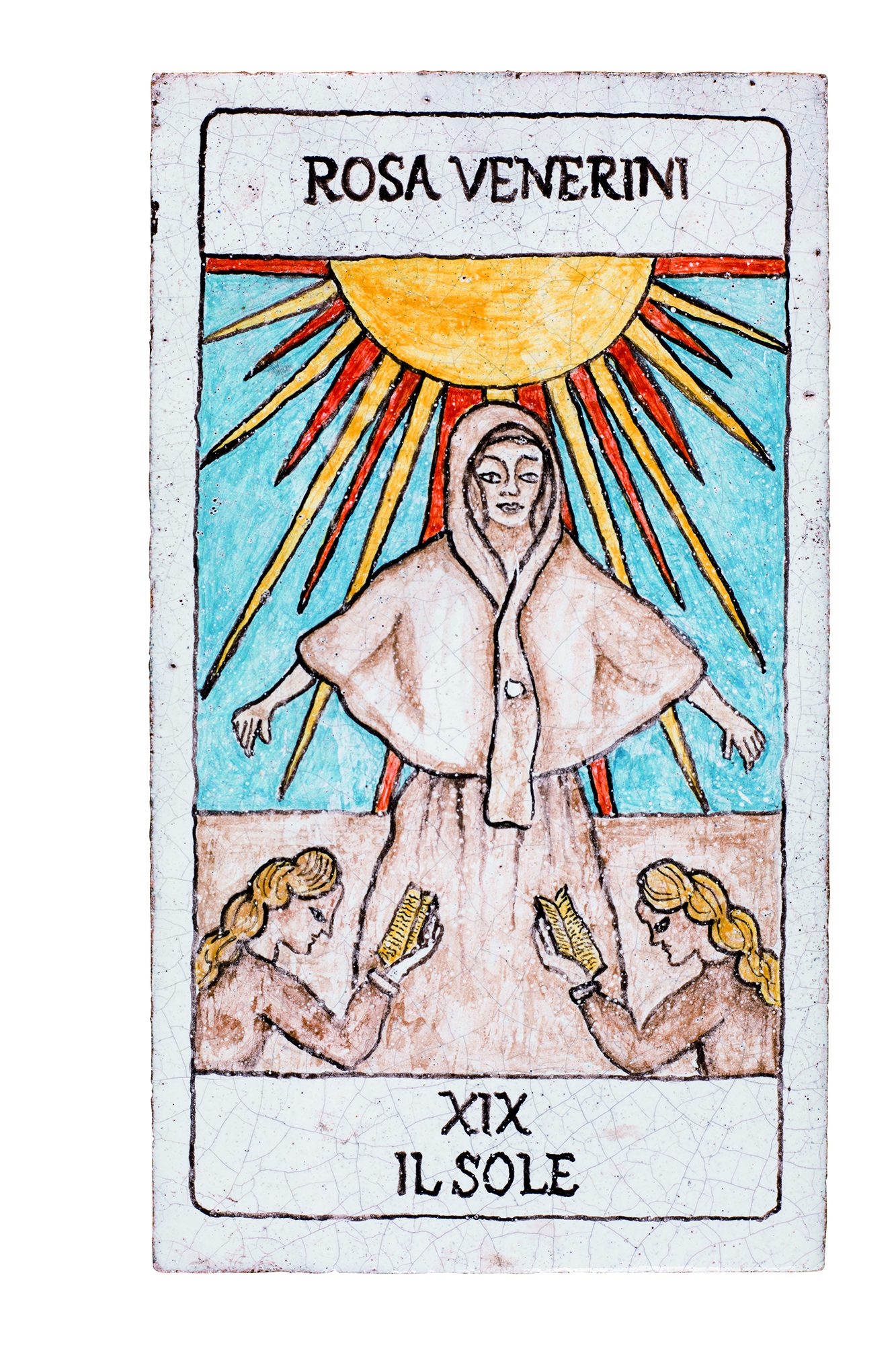
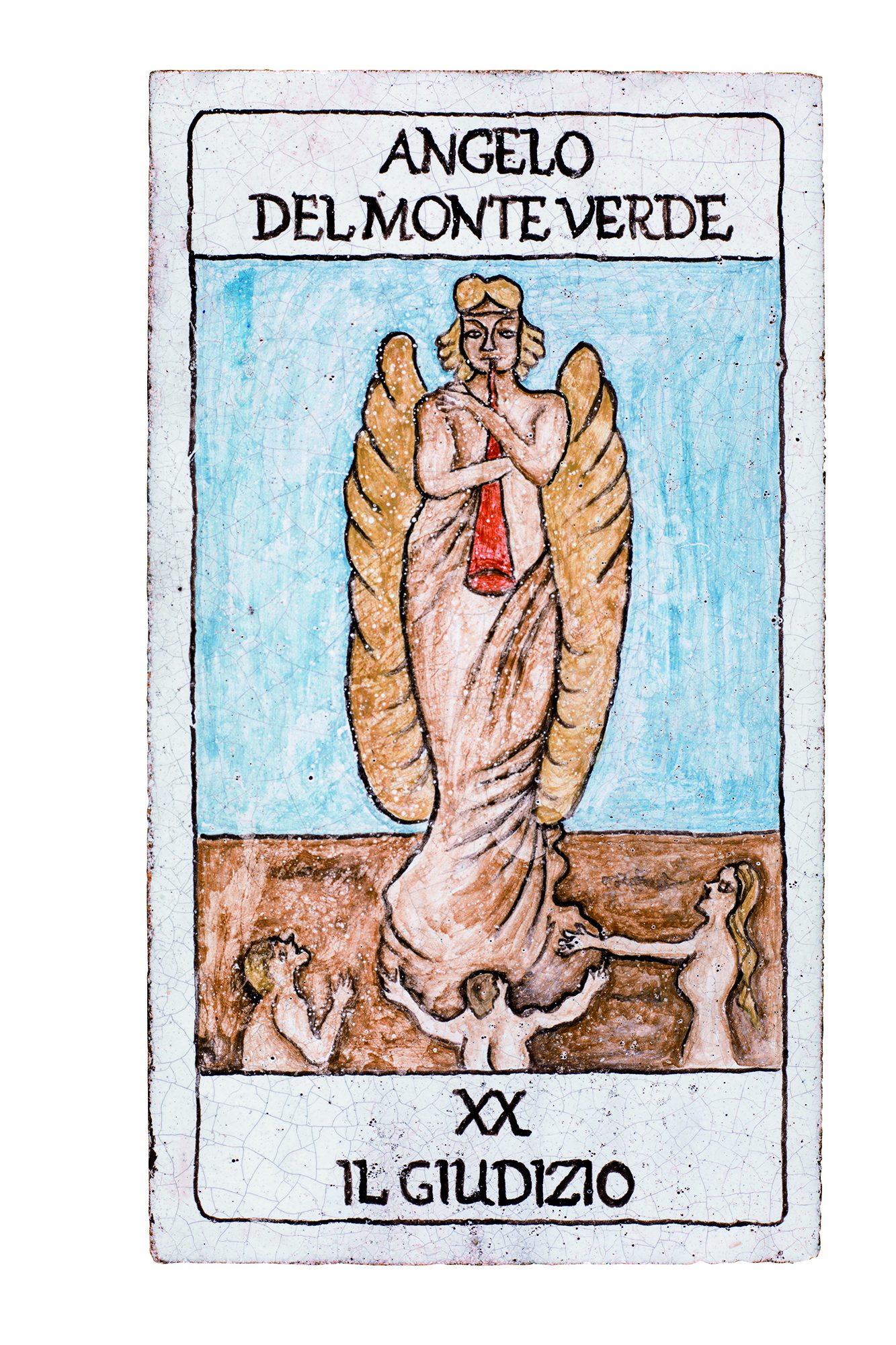
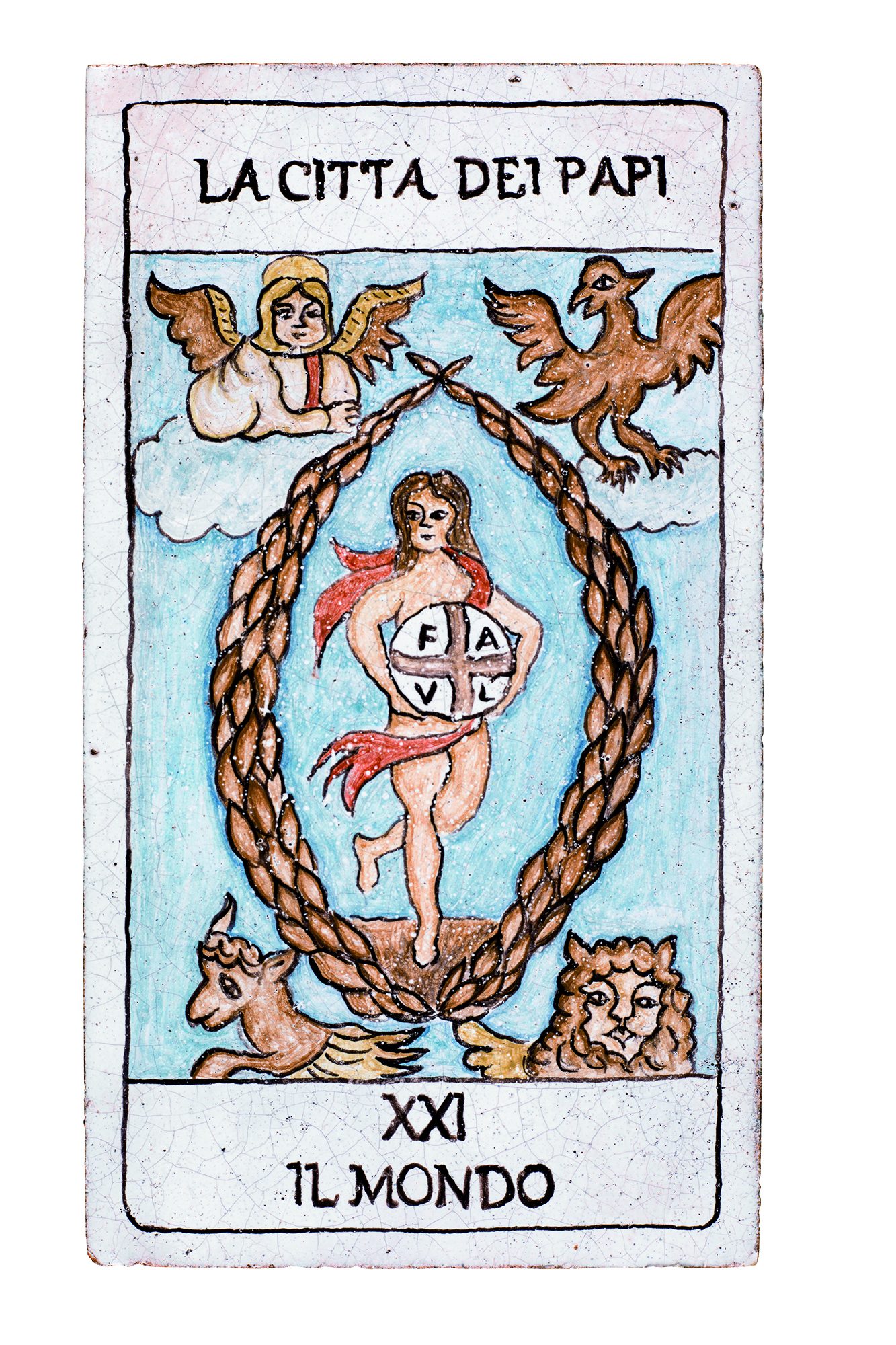
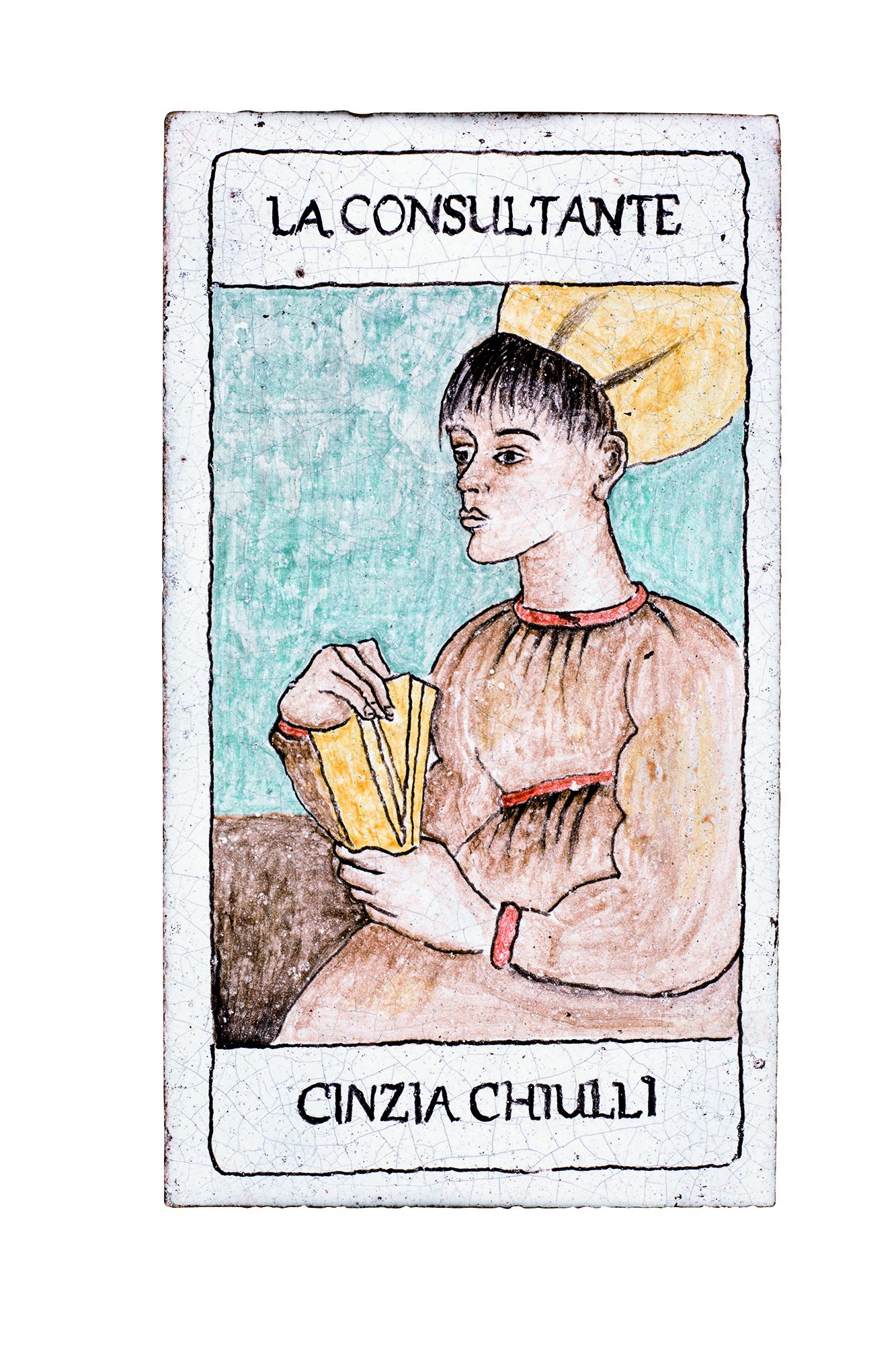
The first city in Italy where tarot cards arrived was Viterbo. Historian Giovanni Covelluzzo states: “the game of cards was dealt in Viterbo, which in Saracen speech is called Nayb”.
According to the records, soldiers returning from the Crusades to bring these cards with them; this is noteworthy for two reasons: the last crusade ended around 1291 and the cards reached Viterbo directly from an Islamic country.
The tarot cards are simple, clear, almost bare. They do not scatter attention; on the contrary, they seek to strengthen it, inviting concentration rather than oblivion. There is an analogy between words and tarot cards, between the everyday meaning of words and that of the cards.
The fact that tarot cards have been compared to a silent book (“Mutus Liber”) is significant: it is up to us to engage with the images and decipher their messages. Images must be strengthened precisely because of their intensity. This is the importance of analysing “gestures”, which the cards themselves take on and wish to convey. As Thomas Aquinas aptly says: “in the sacred sciences not only words, but things themselves signify other things”.
Albertus Magnus also took an interest in this art, especially with moral intent. It was with Giordano Bruno that the art of memory became a hermetic object. And it was he who completed that evolutionary process that has transformed the tarot from “game into philosophy”.
The long evolutionary process thus finds its rightful completion. The iconography of each individual card has been respected so as not to alter its symbolism.
The challenge was to include characters and situations that shaped the history of Viterbo and Tuscia and that fit perfectly with the age-old meaning of each major arcanum.
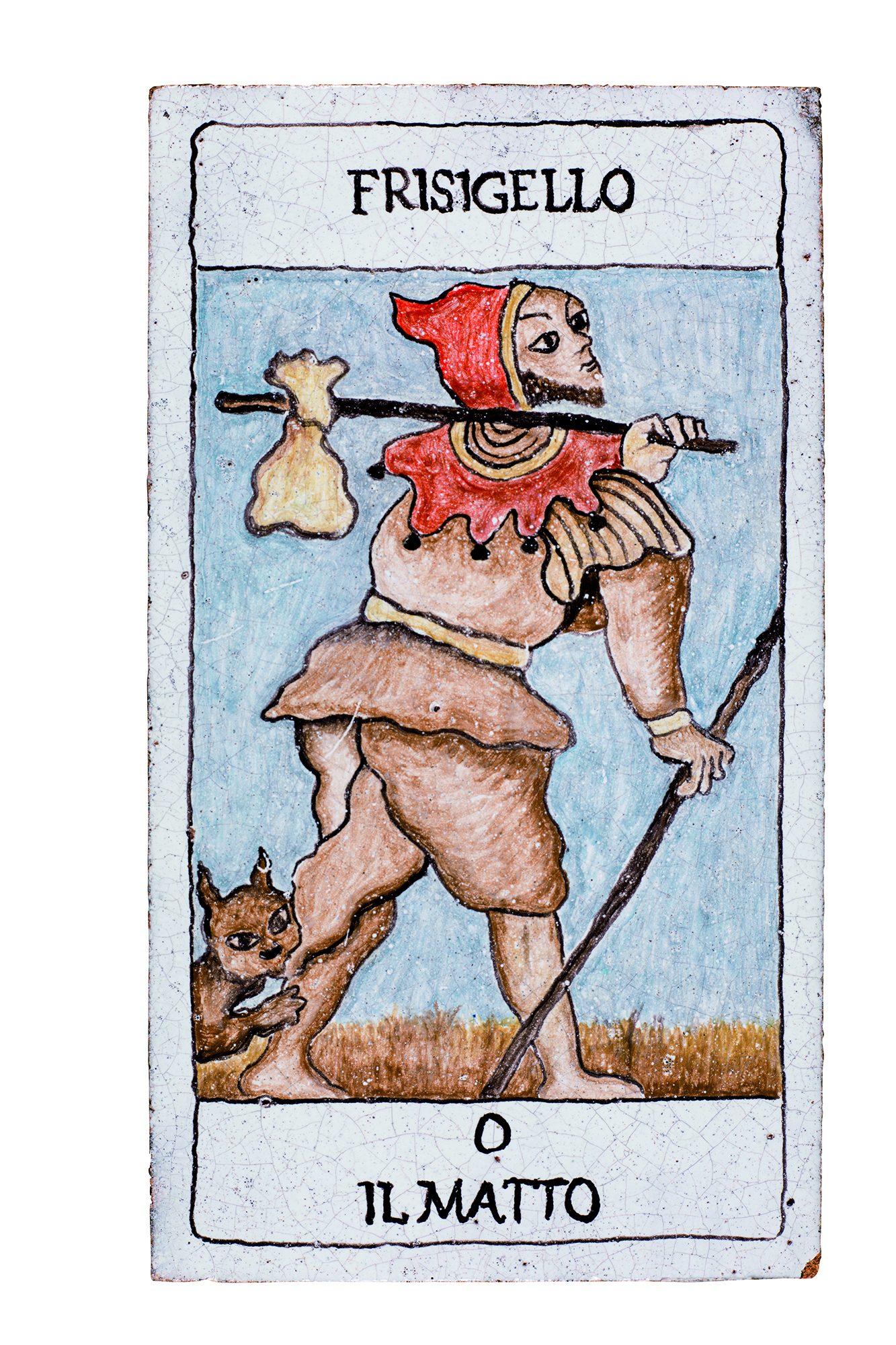
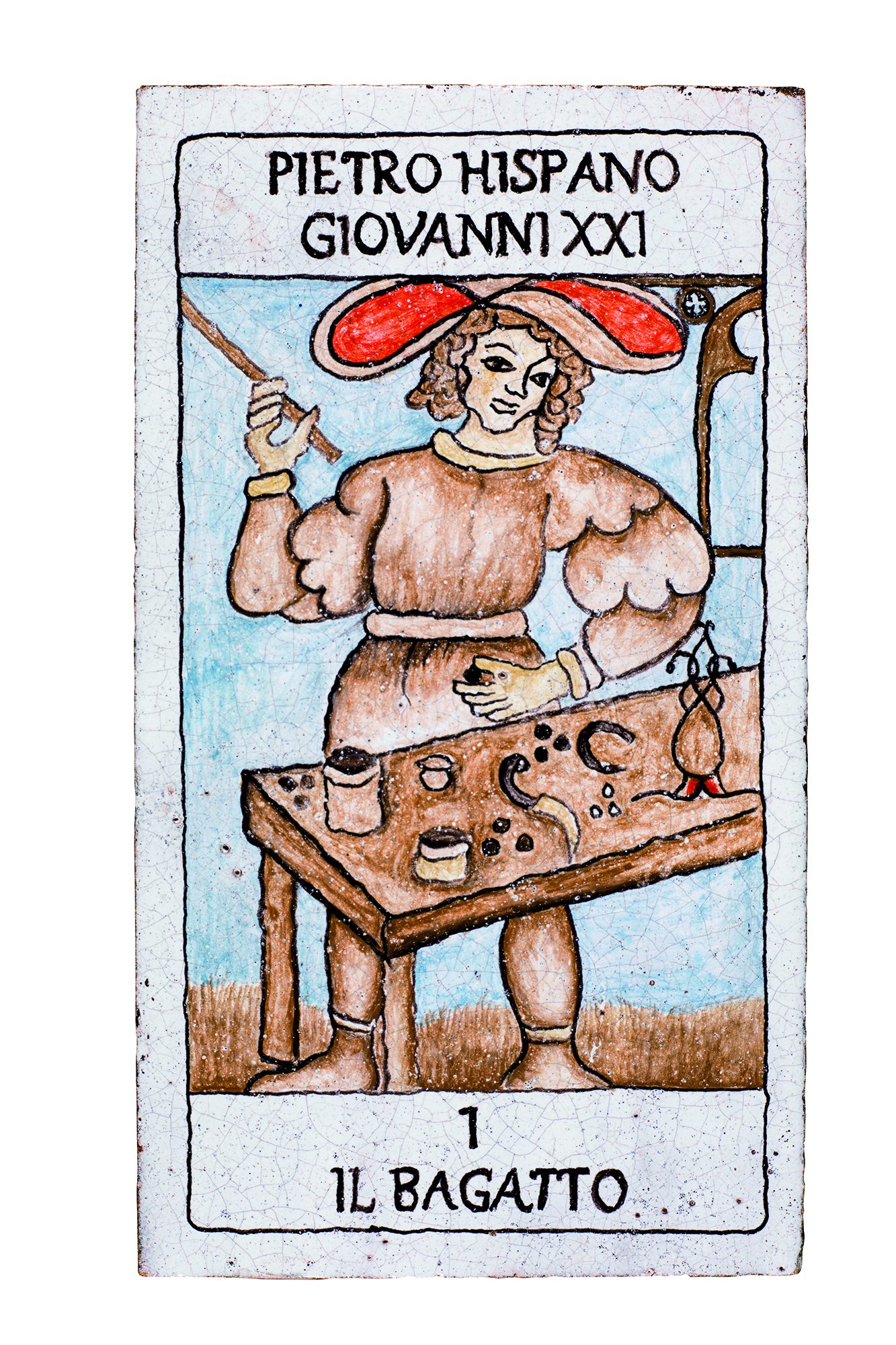
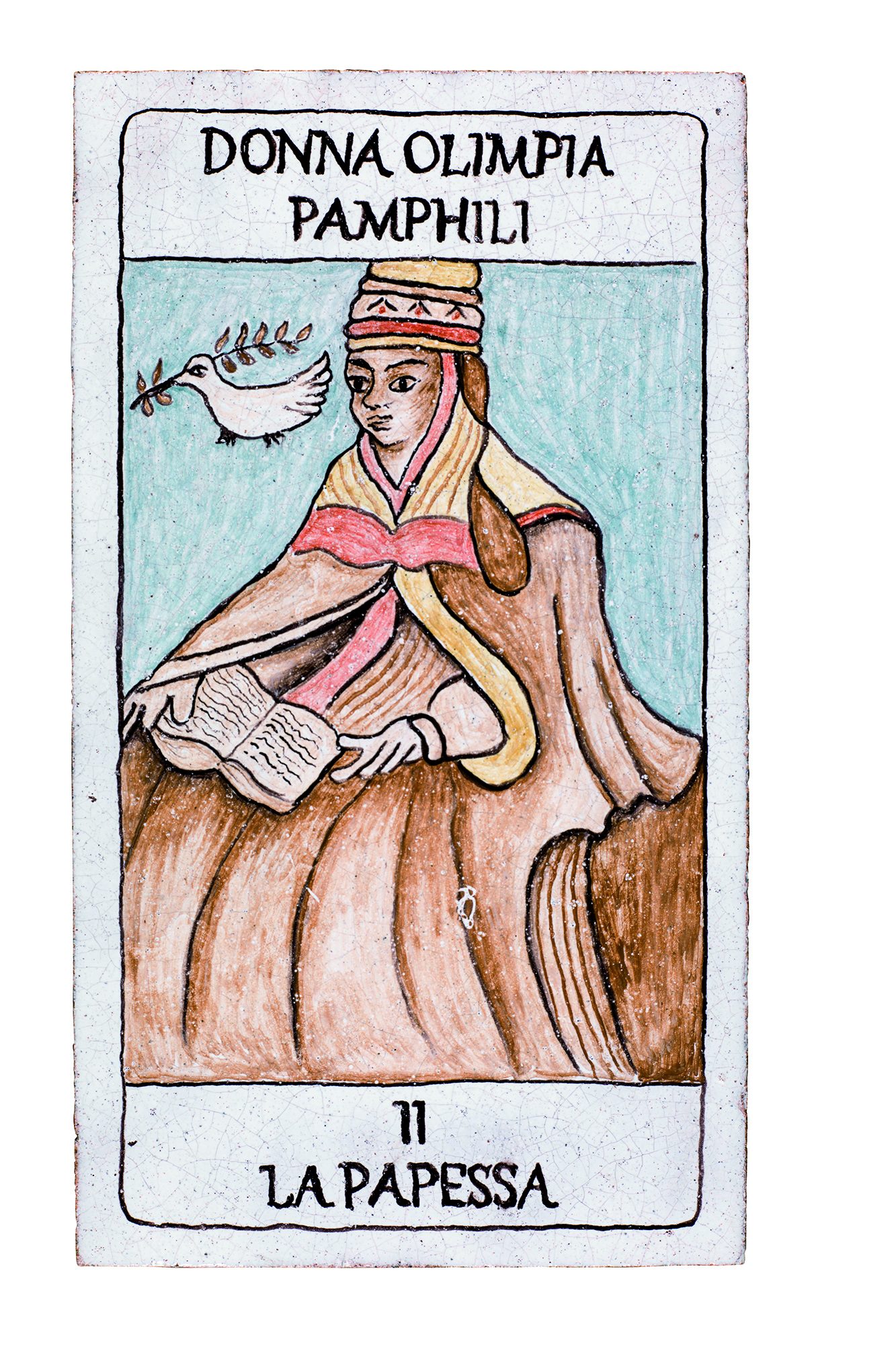
On the lower part of the cards we find the number and name, emphasising their historical character, while on the upper part the personal meaning has been added, with references to facts and events linked to Tuscia. In this edition, each Arcanum shows: name, description, symbolism, meaning and history, as is proper to tarot cards.
The personal pairing refers to figures who marked the history of the city of Viterbo and its surrounding area.